

What's Happening?
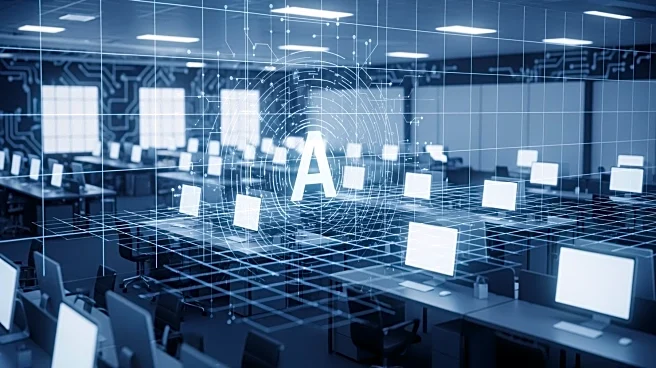
Jeff Bezos has announced the creation of a $100 billion AI manufacturing fund, sparking debates over its potential impact on job markets and economic structures. The fund aims to advance physical AI, which involves integrating artificial intelligence
with physical processes in industries such as manufacturing and healthcare. This initiative coincides with President Trump's decision to include tech billionaires in his President’s Council of Advisors on Science and Technology, a move criticized by some as favoring tech giants. Critics, including Rep. Ro Khanna, express concerns that the fund could exacerbate job displacement without addressing wage issues for workers.
Why It's Important?
The establishment of such a large fund highlights the growing influence of AI in reshaping industries and the economy. While it promises advancements in efficiency and production, there are significant concerns about the socio-economic implications, particularly regarding employment. The integration of AI in manufacturing could lead to significant job losses, especially in sectors reliant on manual labor. This development underscores the need for policies that balance technological advancement with social welfare, ensuring that the benefits of AI are equitably distributed.
What's Next?
As the fund progresses, it is likely to face scrutiny from policymakers and labor groups advocating for worker protections and fair wages. The involvement of tech leaders in government advisory roles may influence future regulations and policies surrounding AI and automation. Stakeholders will need to address the potential for increased economic disparity and consider strategies for workforce retraining and education to mitigate job displacement.
Beyond the Headlines
The ethical implications of AI in manufacturing extend beyond job displacement. There are concerns about data privacy, the concentration of power among tech giants, and the potential for AI to exacerbate existing inequalities. The fund's success will depend on its ability to navigate these challenges and foster an inclusive technological ecosystem.