






What's Happening?
Pilates, a fitness method developed by Joseph Pilates in the early 1900s, is facing criticism for its perceived exclusivity, often seen as a luxury accessible mainly to affluent, white individuals. Despite its roots in inclusivity, modern Pilates studios
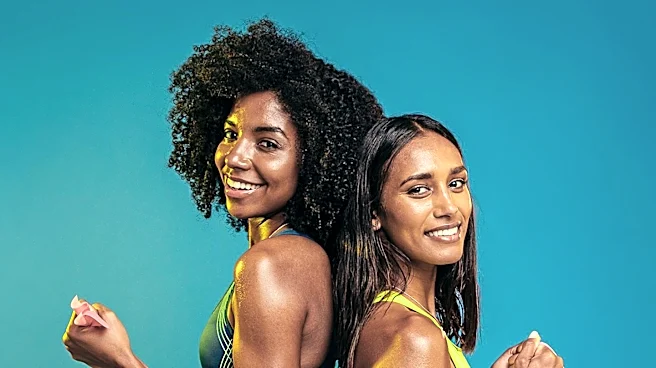
are often criticized for high costs and lack of diversity. In response, a new wave of instructors is working to make Pilates more inclusive. Lindsey Leaf, creator of Fat Body Pilates, advocates for size inclusivity and has launched workshops to educate instructors on accommodating larger bodies. Sonja R. Price Herbert founded Black Girl Pilates to support Black instructors and highlight the contributions of Black pioneers in Pilates. Lori Crosthwait, owner of Pilates Homeroom, offers sliding-scale pricing to make classes accessible to a broader audience.
Why It's Important?
The push for inclusivity in Pilates is significant as it challenges the status quo in the fitness industry, which often marginalizes certain groups. By addressing issues of accessibility and representation, these instructors are working to dismantle barriers that prevent diverse populations from participating in Pilates. This movement not only promotes physical health but also fosters a sense of community and belonging among underrepresented groups. The efforts of these instructors could lead to broader changes in the fitness industry, encouraging other disciplines to adopt similar inclusive practices.
What's Next?
As these initiatives gain traction, more Pilates studios may adopt inclusive practices, potentially leading to a more diverse clientele. The success of these programs could inspire other fitness disciplines to reevaluate their accessibility and inclusivity. Additionally, as awareness grows, there may be increased demand for training programs that focus on inclusivity, further diversifying the pool of instructors and practitioners.
Beyond the Headlines
The movement towards inclusivity in Pilates also raises questions about the broader cultural and economic factors that contribute to exclusivity in fitness. By addressing these issues, the industry can begin to tackle systemic inequalities that affect access to health and wellness resources. This shift could have long-term implications for public health, as more people gain access to fitness opportunities that were previously out of reach.