






What's Happening?
Inflation in the United States remains a persistent issue, with recent data indicating that it has not returned to pre-pandemic levels. Despite efforts to stabilize the economy, inflation surged by 3.3% in March, while annual wage growth shrank to 3.5%,
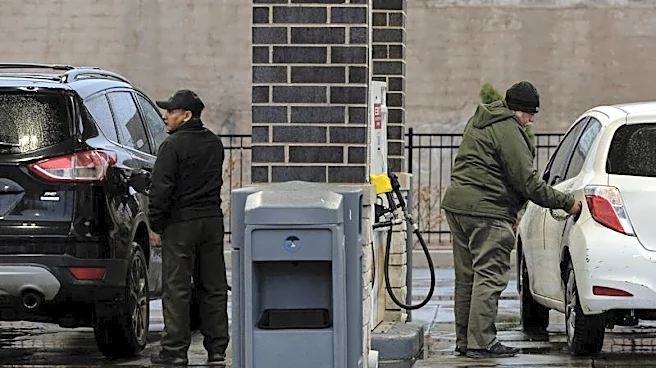
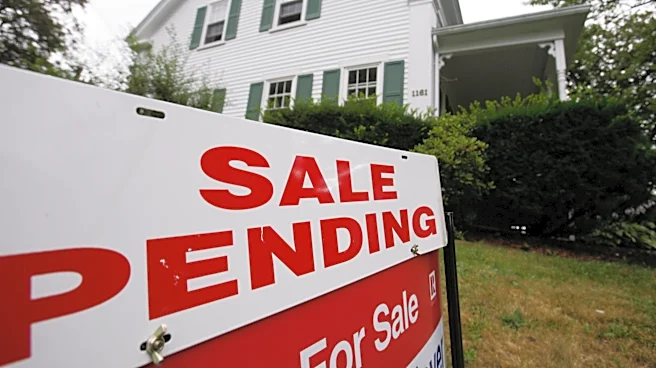
effectively eroding pay gains for many Americans. This situation has been exacerbated by rising gas prices and a frozen housing market, which have increased the financial burden on low- and middle-income households. The savings rate has also declined significantly, from 7.5% in February 2020 to 4% in February 2026, indicating that many Americans are struggling to save money. The economic resilience of the U.S. is being tested as it faces multiple challenges, including the aftermath of the pandemic, ongoing international conflicts, and domestic policy changes.
Why It's Important?
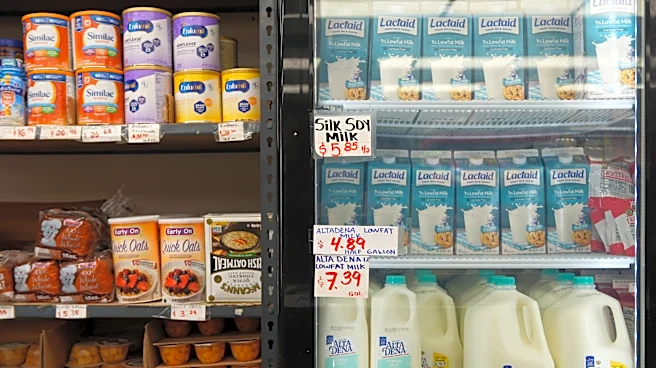
The ongoing high inflation is a critical issue for the U.S. economy, affecting millions of Americans, particularly those with lower incomes who spend a larger portion of their earnings on essentials like food and fuel. The erosion of wage gains due to inflation means that many households are finding it increasingly difficult to maintain their standard of living. This economic strain could lead to increased borrowing and financial instability for many families. Additionally, the situation poses a significant challenge for policymakers, including the Federal Reserve, as they attempt to balance economic growth with inflation control. The persistence of high inflation could influence voter sentiment and impact upcoming elections, as economic issues remain a top concern for the electorate.
What's Next?
The Federal Reserve and other policymakers will need to continue monitoring inflation trends closely and may consider further adjustments to interest rates or other economic policies to address the issue. The impact of international conflicts, such as the war in Iran, on oil prices and global supply chains will also be a factor in future economic planning. As inflation continues to affect household budgets, there may be increased calls for government intervention or support to help alleviate the financial burden on American families. The economic outlook will depend on a variety of factors, including the resolution of international conflicts and domestic policy decisions.