






What's Happening?
U.S. producer prices experienced a significant increase in May, marking the largest yearly jump since November 2022. The Labor Department reported a 6.5% rise in the producer price index from May 2025, driven by a surge in energy prices following the onset
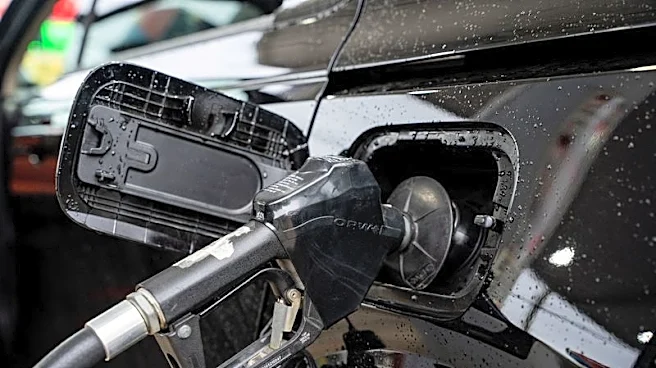
of the Iran war. Wholesale gasoline prices alone surged by over 23% from April to May, contributing to the overall inflationary pressures. This increase in producer prices comes as consumer prices also rose by 4.2% in May, the highest in three years. The ongoing conflict has disrupted oil supplies, leading to higher energy costs and impacting various sectors of the economy.
Why It's Important?
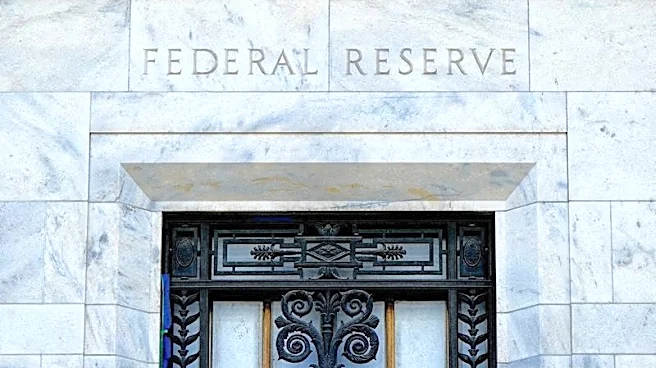
The rise in producer prices is a critical indicator of inflationary trends that could affect the broader U.S. economy. As energy prices continue to climb, businesses may face higher production costs, which could be passed on to consumers, leading to increased consumer prices. This situation poses a challenge for the Federal Reserve, which aims to keep inflation around its 2% target. The current inflationary environment could influence the Fed's monetary policy decisions, potentially leading to interest rate hikes to curb inflation. The economic impact is also significant for consumers, who may face higher costs for goods and services.
What's Next?
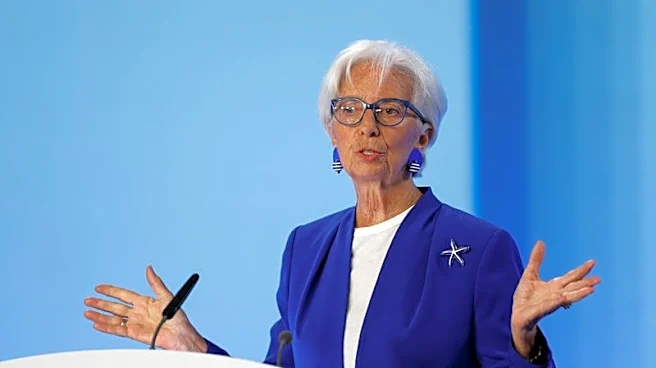
The Federal Reserve is expected to closely monitor inflation trends and may consider adjusting interest rates by the end of the year to manage inflationary pressures. The ongoing conflict in the Middle East and its impact on energy supplies will be a key factor in future economic forecasts. Businesses and consumers will need to adapt to the changing economic landscape, with potential implications for spending and investment decisions. The situation underscores the importance of diplomatic efforts to stabilize the region and mitigate further economic disruptions.