
What's Happening?
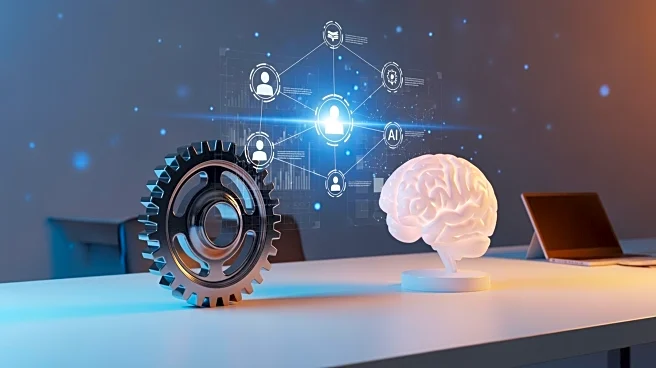
HR leaders are forecasting significant changes in the workplace by 2026, focusing on integrating AI with human roles and shifting from traditional job titles to skills-based work. Anthony Onesto, vice
president at 15Five, highlights the trend of redesigning jobs to foster human-AI collaboration, where employees guide AI processes rather than being replaced by them. This approach allows employees to focus on strategic tasks while AI handles routine operations. Ciara Harrington from Skillsoft notes that skills are becoming the new currency in the workplace, with organizations prioritizing skills over job titles for hiring and promotions. This shift is expected to empower employees and enhance organizational competitiveness. Additionally, companies are exploring flexible work arrangements like chronoworking and asynchronous work to align with employees' natural energy cycles, boosting productivity and well-being.
Why It's Important?
The emphasis on human-AI collaboration and skills-based work is crucial as it addresses the evolving demands of the modern workforce and the integration of technology in business operations. By focusing on skills rather than job titles, companies can better match employees to roles that suit their strengths, leading to increased job satisfaction and retention. This approach also prepares organizations for the future, where AI will play a significant role in business processes. The move towards flexible work arrangements reflects a growing recognition of the importance of work-life balance and employee well-being, which are key factors in attracting and retaining top talent. As companies adapt to these changes, they are likely to see improvements in employee engagement, productivity, and overall organizational performance.
What's Next?
Organizations are expected to continue investing in AI and skills development to stay competitive. This includes launching AI apprenticeships and training programs to help employees adapt to new technologies. Companies will also need to ensure transparency in AI implementation to build trust among employees. As the focus shifts to skills, HR departments may need to redesign performance reviews and career development plans to align with this new approach. Additionally, businesses will likely explore more personalized benefits and support systems to cater to diverse employee needs, further enhancing their appeal as employers of choice.
Beyond the Headlines
The shift towards skills-based work and human-AI collaboration could have broader implications for the labor market and education systems. As skills become more important than job titles, educational institutions may need to adapt their curricula to focus more on skill development rather than traditional degree programs. This could lead to a reevaluation of how talent is assessed and recruited across industries. Furthermore, the emphasis on flexible work arrangements may influence urban planning and infrastructure development, as remote work reduces the need for large office spaces and daily commutes.