






What's Happening?
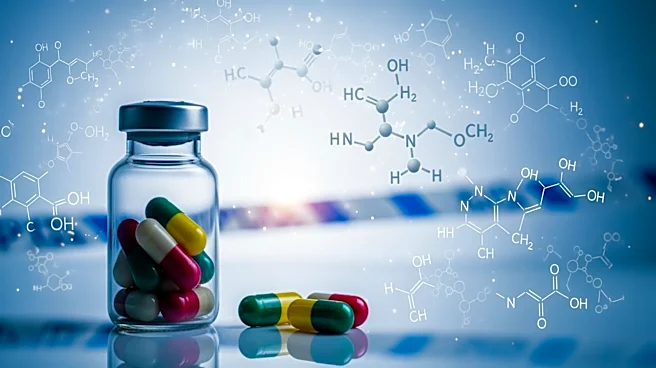
President Trump has signed a proclamation imposing up to 100% tariffs on imported patented pharmaceuticals and active pharmaceutical ingredients (APIs) under Section 232 of the Trade Expansion Act of 1962. This move aims to encourage domestic manufacturing
and reduce reliance on foreign imports, which are seen as a threat to national security. The tariffs, effective from July 31 for certain companies, are part of a tiered rate structure that incentivizes onshoring and pricing agreements. Generic drugs and biosimilars are currently exempt, but this status may be reassessed in a year.
Why It's Important?
The imposition of tariffs on pharmaceuticals marks a significant shift in U.S. trade policy, using national security as a justification for economic measures. This could lead to increased costs for pharmaceutical companies and potentially higher prices for consumers. The policy aims to strengthen the domestic pharmaceutical industry, ensuring a stable supply of essential medications. However, it also risks disrupting global supply chains and trade relations, particularly with countries that are major exporters of pharmaceuticals to the U.S.
What's Next?
Pharmaceutical companies will need to evaluate their supply chains and consider onshoring production to avoid high tariffs. The administration's focus on domestic manufacturing may lead to increased investment in U.S. facilities. Companies without existing agreements will face significant tariff burdens unless they negotiate onshoring and pricing agreements. The policy's impact on drug prices and availability will be closely monitored by industry stakeholders and policymakers.