






What's Happening?
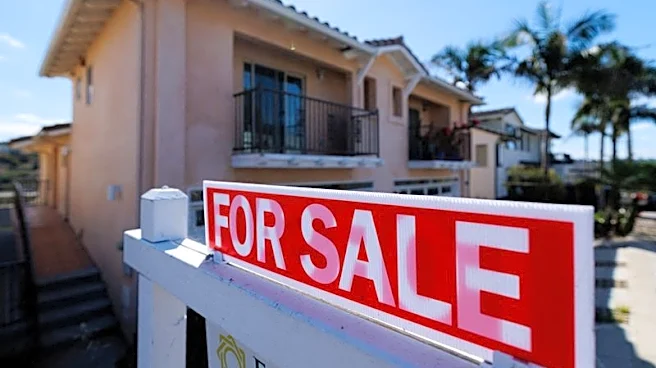
The average long-term U.S. mortgage rate has increased to its highest level in nearly nine months, reaching 6.51% from 6.36% the previous week, according to Freddie Mac. This rise in rates is occurring during the peak of the housing market season, potentially
impacting homebuyers with increased borrowing costs. The increase is attributed to higher long-term bond yields, driven by expectations of rising oil prices and concerns over U.S. government debt. The ongoing conflict with Iran, which has led to the closure of the Strait of Hormuz, is a significant factor affecting energy markets and inflation, further influencing mortgage rates. Additionally, U.S. retailers are facing challenges due to fluctuating gasoline prices and economic uncertainties, with consumer spending showing signs of caution despite recent tax refunds.
Why It's Important?
The rise in mortgage rates could have significant implications for the U.S. housing market, potentially slowing down home purchases as borrowing becomes more expensive. This development may also affect consumer spending, a critical component of the U.S. economy, as higher mortgage payments could reduce disposable income. Retailers are already experiencing cautious consumer behavior, and a further pullback in spending could impact economic growth. The situation underscores the interconnectedness of global events, such as the conflict with Iran, and domestic economic conditions, highlighting the challenges faced by policymakers in managing inflation and economic stability.
What's Next?
As mortgage rates continue to rise, potential homebuyers may delay purchases, leading to a slowdown in the housing market. Retailers might need to adjust strategies to cope with reduced consumer spending if economic conditions do not improve. Policymakers will likely monitor inflation and economic indicators closely, potentially adjusting interest rates or implementing measures to stabilize the economy. The ongoing geopolitical tensions and their impact on energy prices will remain a critical factor influencing economic conditions in the coming months.