



What's Happening?
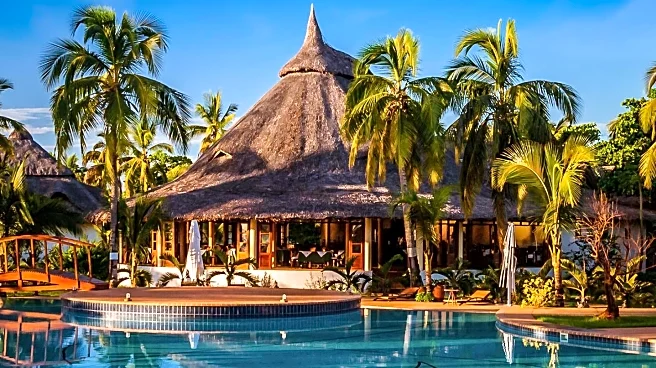
The concept of all-inclusive resorts, which began nearly a century ago, is undergoing a significant transformation. Originally designed to offer value through a predictable cost structure and a variety of included activities, these resorts are now shifting towards a luxury model. This change is driven by the evolving preferences of travelers, particularly younger generations who seek stress-free, curated experiences. Modern all-inclusives are incorporating wellness and luxury elements, such as gourmet dining, personalized service, and immersive cultural experiences. The focus is on creating meaningful narratives rather than just providing a list of activities, with offerings like spa treatments, sunrise yoga, and guided cultural tours. This evolution
is part of a broader trend where even traditional luxury hotel brands are experimenting with more inclusive offerings.
Why It's Important?
The shift towards luxury and wellness in all-inclusive resorts reflects broader changes in the travel industry, where consumers increasingly value experiences over material goods. This trend is significant for the U.S. travel market, as it aligns with the preferences of Gen Z and millennial travelers who prioritize convenience and unique experiences. The integration of wellness and luxury into the all-inclusive model could attract a wider demographic, including multigenerational families and wellness-focused travelers. This evolution also presents opportunities for resorts to differentiate themselves in a competitive market by offering unique, high-value experiences that justify higher price points. As the demand for such experiences grows, it could lead to increased investment in the hospitality sector and influence the development of new travel destinations.
What's Next?
As all-inclusive resorts continue to evolve, they are likely to focus on further integrating technology and sustainability into their offerings. This could include the use of apps for personalized planning and the incorporation of eco-friendly practices to appeal to environmentally conscious travelers. Resorts may also explore partnerships with local communities to offer authentic cultural experiences, enhancing their appeal to travelers seeking deeper connections with their destinations. The success of these strategies will depend on the ability of resorts to balance inclusivity with individuality, ensuring that each guest feels their experience is unique and tailored to their preferences. The ongoing transformation of the all-inclusive model could set new standards for the hospitality industry, influencing how other sectors approach customer experience and value.