





What's Happening?
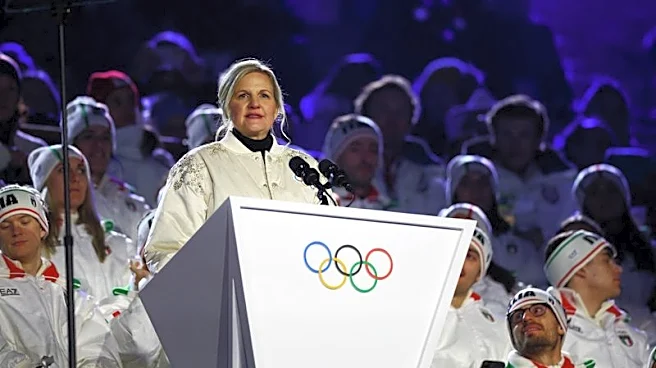
The International Olympic Committee (IOC) has decided to maintain its focus on snow and ice sports for the Winter Games, despite proposals to include summer sports like cross-country running and cyclocross. This decision comes ahead of the IOC Executive
Board meeting, where the 'Fit for the Future' policy reviews will be discussed. The IOC's stance is to adhere to the Olympic Charter, which states that only sports practiced on snow or ice are considered winter sports. This decision has been met with resistance from some who advocate for the inclusion of additional sports to diversify the Winter Games.
Why It's Important?
The decision to keep the Winter Games focused on traditional snow and ice sports preserves the event's unique identity and heritage. It also impacts the financial dynamics of the Games, as adding new sports could alter revenue sharing from broadcast rights. For winter sports federations, maintaining the current format ensures that the spotlight remains on their disciplines, which could be diluted by the inclusion of non-traditional sports. This decision also reflects broader discussions within the IOC about the future direction and scope of the Olympic Games.
What's Next?
The IOC will continue to evaluate its policies and the structure of the Winter Games, with ongoing discussions likely about how to balance tradition with innovation. Stakeholders, including national Olympic committees and sports federations, may continue to lobby for changes that align with their interests. The upcoming Winter Games in 2030 and 2034 will serve as critical points for assessing the impact of these decisions and any potential shifts in strategy.