



What's Happening?
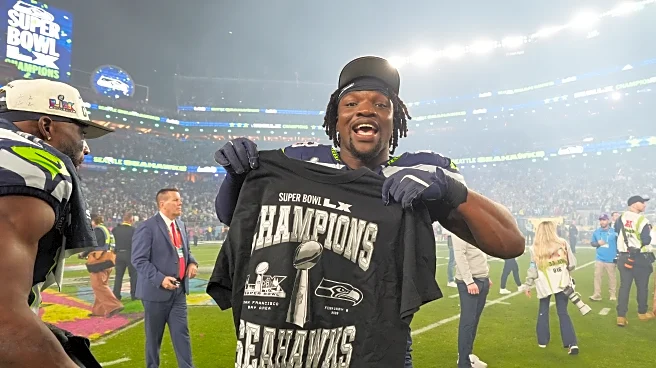
The Seattle Seahawks' recent Super Bowl victory has brought attention to the philanthropic legacy of their late owner, Paul Allen. Allen, who passed away in 2018, had instructed that his assets, including the Seahawks, be sold to fund various charitable causes. His sister, Jody Allen, currently oversees the team and is expected to decide on its future sale. The Seahawks' win has increased the team's visibility and potential market value, with estimates suggesting a sale could reach $7 billion. This aligns with Allen's vision of using his wealth to support initiatives such as homelessness prevention, scientific research, and education.
Why It's Important?
The potential sale of the Seahawks, driven by Paul Allen's philanthropic goals, underscores a growing trend among
wealthy individuals to leverage their assets for social good. This approach could influence other sports team owners and billionaires to consider similar strategies, potentially leading to significant funding for charitable causes. The Seahawks' sale could also set a precedent for how sports franchises are valued and sold, impacting the broader sports industry and its economic dynamics. Additionally, the sale could provide substantial resources for initiatives that address pressing societal issues, thereby enhancing the impact of philanthropy in the U.S.
What's Next?
As the Seahawks' sale process unfolds, stakeholders will be watching closely to see how the transaction aligns with Paul Allen's philanthropic vision. The sale could prompt discussions about the role of sports franchises in supporting social causes and the responsibilities of wealthy individuals in addressing societal challenges. The NFL and other sports leagues may also consider the implications of such sales on team valuations and ownership structures. The outcome of the Seahawks' sale could influence future transactions and philanthropic strategies within the sports industry and beyond.