
What's Happening?
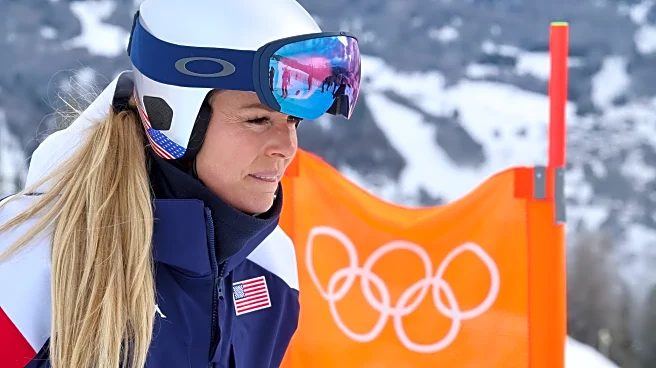
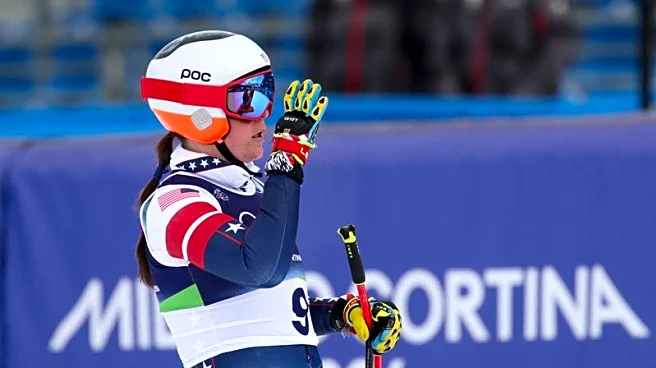
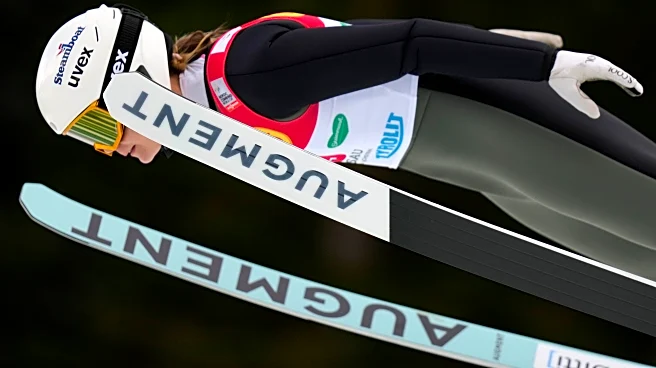
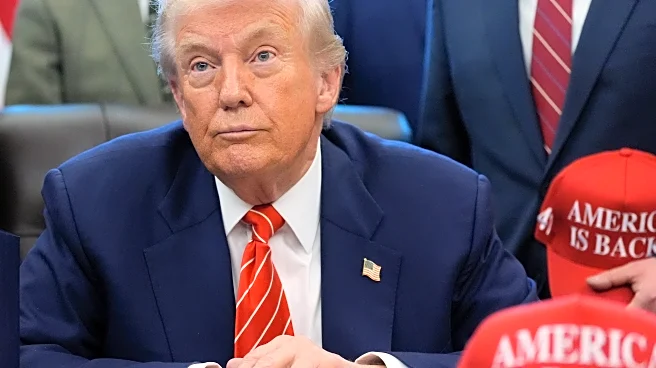
Mikaela Shiffrin, a prominent U.S. Alpine skier, is participating in her fourth Winter Olympics in Cortina d'Ampezzo, Italy. During the event, she emphasized her commitment to personal values of peace, diversity, and cooperation, distancing herself from the political climate in the United States under President Trump's administration. Shiffrin highlighted a Nelson Mandela quote on peace, underscoring her hope that the Olympics would showcase cooperation and competition. Her comments come amid international criticism of U.S. immigration policies, particularly ICE raids that have resulted in civilian casualties. Shiffrin acknowledged the global challenges of hardship and violence, which she finds difficult to reconcile with the competitive spirit
of the Olympics.
Why It's Important?
Shiffrin's stance is significant as it reflects the broader tension between athletes' personal values and the political actions of their home countries. Her emphasis on peace and diversity contrasts with the controversial immigration policies of the Trump administration, which have drawn international condemnation. This situation highlights the role of athletes as ambassadors of their countries, often navigating complex political landscapes. Shiffrin's comments may influence public perception and spark discussions on the responsibilities of athletes in representing national values on the global stage. The backlash against U.S. policies could impact the country's image and diplomatic relations, particularly in international sporting events.
What's Next?
As the Olympics continue, Shiffrin and other U.S. athletes will likely face ongoing scrutiny regarding their positions on domestic policies. The international community may continue to express disapproval of U.S. immigration actions, potentially affecting the reception of American athletes. The response from the U.S. government and sports organizations to these criticisms could shape future interactions in international sports. Additionally, the outcomes of the Olympics may influence the dialogue around the intersection of sports and politics, prompting further discussions on how athletes can advocate for change while representing their countries.