



What's Happening?
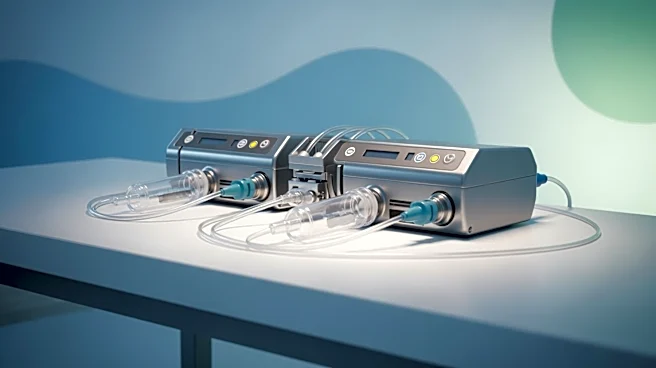
Delcath Systems, Inc., an interventional oncology company, is set to participate in the Society of Interventional Radiology (SIR) 2026 Annual Scientific Meeting in Toronto, Canada, from April 11 to 15, 2026. The company will feature its Hepatic Delivery
System, used in percutaneous hepatic perfusion (PHP), in three presentations. Dr. Eric Wehrenberg-Klee from Massachusetts General Hospital will discuss his experience with the HEPZATO system on April 13. On April 15, Dr. David Eschelman from Thomas Jefferson University and Dr. Mustafa Ege Seker from the University of Wisconsin will present their experiences with PHP for treating liver metastases from uveal melanoma. Delcath's proprietary products, including the HEPZATO KIT and CHEMOSAT, are designed to deliver high-dose chemotherapy to the liver while minimizing systemic exposure.
Why It's Important?
The participation of Delcath Systems in the SIR 2026 meeting highlights the ongoing advancements in interventional oncology, particularly in the treatment of liver cancers. The company's Hepatic Delivery System offers a targeted approach to chemotherapy, potentially improving outcomes for patients with liver metastases from uveal melanoma. This technology could significantly impact the field by providing a method to administer high-dose chemotherapy directly to the liver, reducing systemic side effects. The presentations at the meeting will provide valuable insights into the clinical applications and effectiveness of this technology, potentially influencing future treatment protocols and expanding its use in medical centers across the U.S.
What's Next?
Following the presentations at the SIR 2026 meeting, Delcath Systems may see increased interest and adoption of its Hepatic Delivery System in clinical settings. The insights shared by leading radiologists could lead to further research and development, potentially expanding the indications for the HEPZATO KIT and CHEMOSAT systems. Additionally, the company may pursue further regulatory approvals and partnerships to enhance the availability and application of its technology in treating liver cancers. The outcomes of these presentations could also influence future clinical trials and studies aimed at optimizing the use of PHP in oncology.