
What's Happening?
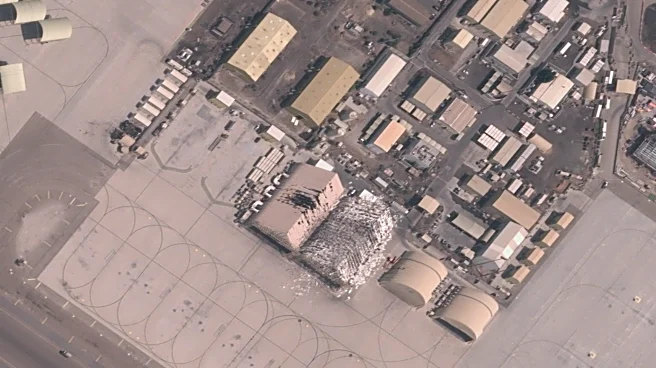
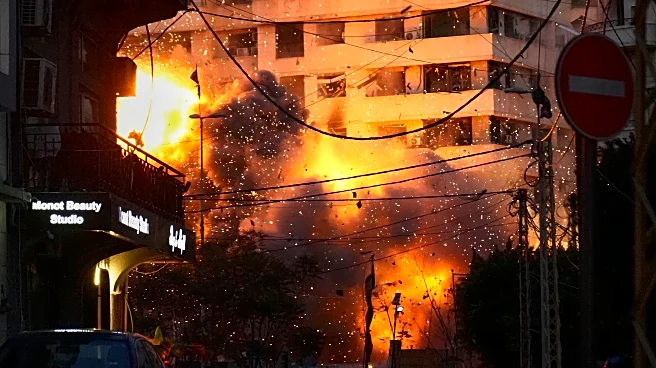
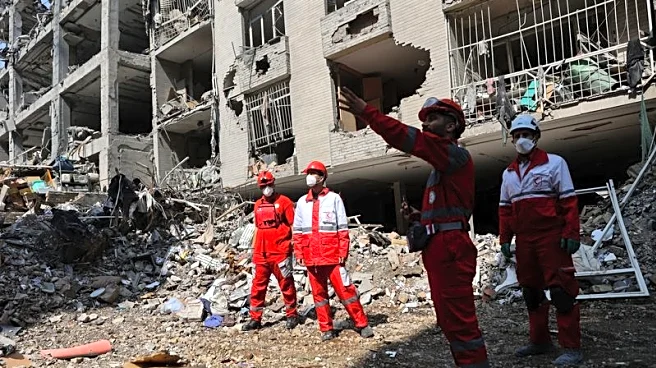
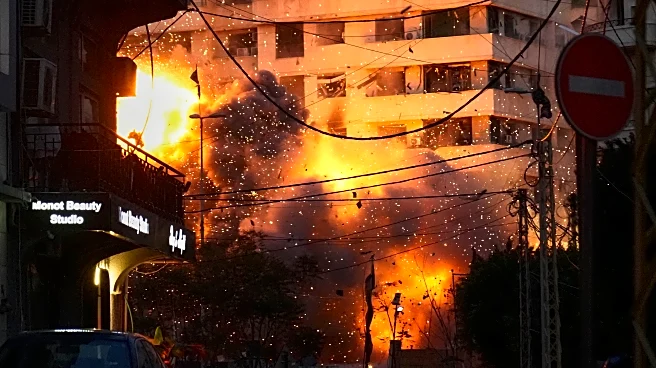
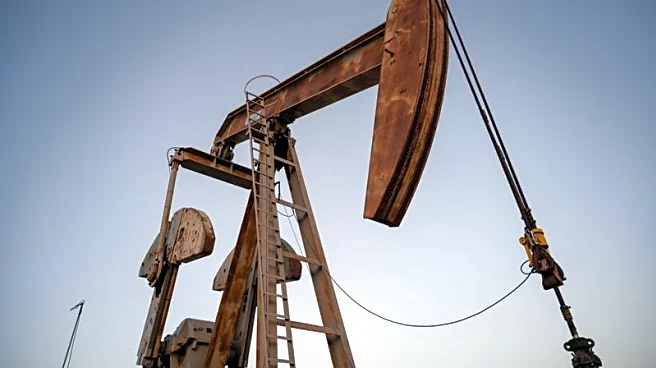
Oil prices have spiked to nearly $120 a barrel following an escalation in Middle East tensions. The surge was triggered by Iran's attack on the world's largest LNG plant in Qatar, in response to an Israeli strike on Iranian gas fields. This conflict has
disrupted energy markets, with Brent crude reaching levels not seen in four years. The closure of the Strait of Hormuz, a critical shipping route, has further exacerbated the situation, affecting global LNG supplies. Analysts warn of continued market volatility and potential economic repercussions.
Why It's Important?
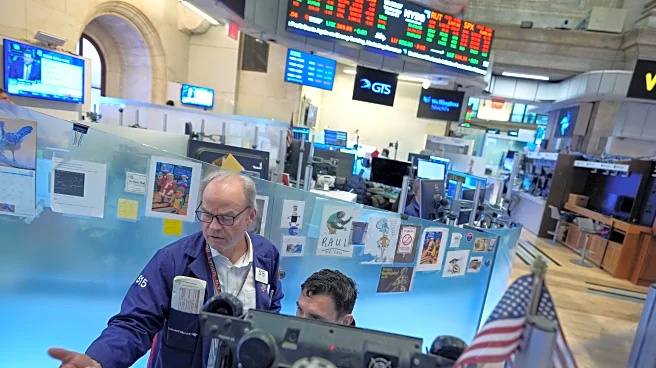
The sharp increase in oil prices has significant implications for the global economy, potentially leading to higher energy costs for consumers and businesses. This could dampen economic growth and increase inflationary pressures, particularly in energy-dependent industries. The situation underscores the vulnerability of global energy markets to geopolitical conflicts, highlighting the need for diversified energy sources and strategic reserves. The ongoing tensions may also influence international relations and trade policies, as countries navigate the economic fallout.
What's Next?
The resolution of the conflict and the reopening of the Strait of Hormuz are critical to stabilizing energy markets. Diplomatic efforts may be necessary to de-escalate tensions and prevent further disruptions. In the meantime, businesses and governments may need to prepare for continued volatility and explore alternative energy strategies. The situation could also prompt discussions on energy security and the importance of transitioning to renewable energy sources to mitigate reliance on geopolitically sensitive regions.