







What's Happening?
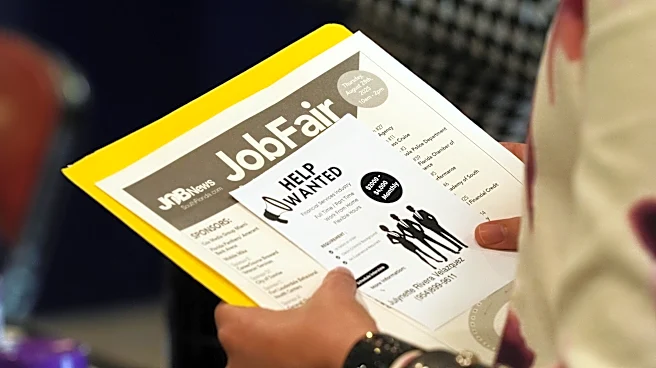
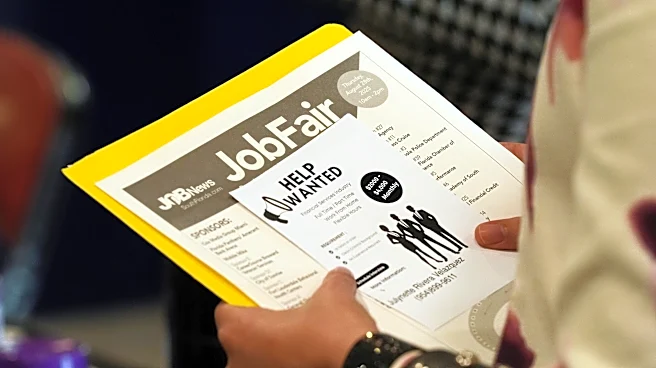
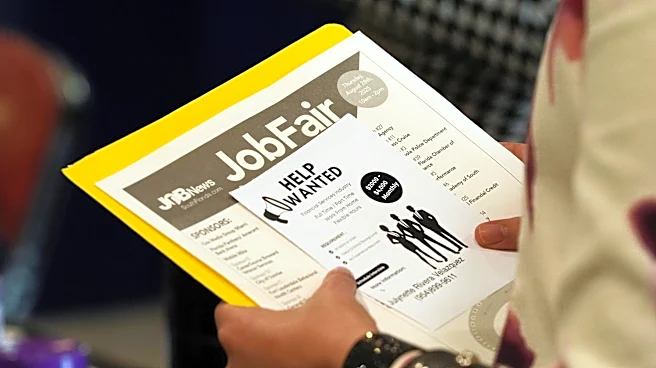
Retailers in the United States are significantly increasing their hiring efforts, despite ongoing economic challenges. According to preliminary federal data, the retail sector added nearly 22,000 jobs in April, representing almost one-fifth of the total
job growth for that month. This hiring surge comes as consumers continue to spend, even in the face of geopolitical tensions, rising gasoline prices, and inflation. The resilience in consumer spending has provided retailers with the confidence to expand their workforce, reversing the cautious approach seen in 2025 when concerns over President Trump's tariff policies led to fears of reduced demand. Cory Stahle, a senior economist at Indeed, noted that the current hiring trend is a positive indicator for both the retail industry and the broader economy.
Why It's Important?
The increase in retail hiring is a significant development for the U.S. economy, as it suggests a level of consumer confidence and spending resilience that can help sustain economic growth. Retail employment is a critical component of the job market, and its expansion can have ripple effects across other sectors. The ability of consumers to maintain spending levels despite economic pressures, such as tariffs and inflation, indicates a robust economic foundation. This trend also highlights the adaptability of retailers in navigating complex economic landscapes, potentially leading to increased stability and growth in the sector. However, the ongoing geopolitical and economic uncertainties could still pose risks to this positive trajectory.
What's Next?
Looking ahead, retailers may continue to adjust their hiring strategies based on consumer spending patterns and broader economic conditions. The impact of tariffs and other economic policies will likely remain a focal point for the industry, influencing decisions on inventory, pricing, and workforce management. Retailers will need to monitor consumer behavior closely, especially as external factors such as international conflicts and domestic economic policies evolve. Additionally, any changes in federal economic policies or shifts in consumer confidence could prompt further adjustments in the retail sector's employment strategies.