
What's Happening?
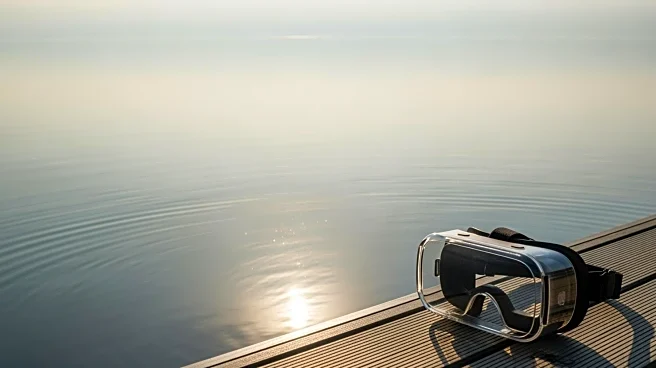
A new virtual reality documentary titled 'The World Came Flooding In' has been created by Australian artists Isobel Knowles and Van Sowerwine. This immersive experience is part of the International Film
Festival Rotterdam's Art Directions program. The documentary allows viewers to step into the lives of flood survivors, exploring the emotional and physical impacts of devastating floods. The project was inspired by the 2022 Eastern Australia floods and aims to convey the urgency of climate change. Through VR, participants can navigate through life-sized digital scans of flooded homes, guided by the voices of the people who lived there. The documentary also includes miniature sets and holograms to enhance the storytelling experience.
Why It's Important?
This documentary is significant as it provides a unique platform for flood survivors to share their stories, offering a deeper understanding of the human impact of climate change. By using virtual reality, the creators aim to evoke empathy and awareness among viewers who may not have experienced such disasters firsthand. The project highlights the emotional and social consequences of floods, emphasizing the need for urgent action on climate change. It also showcases the potential of immersive technology in storytelling, offering new ways to engage audiences with pressing global issues.
What's Next?
The documentary is currently being showcased at the International Film Festival Rotterdam, running through February 8. As it gains attention, it may inspire further use of virtual reality in addressing climate-related issues and other humanitarian crises. The creators hope to expand the project, potentially reaching a wider audience and sparking discussions on climate action. The success of this documentary could lead to more collaborations between artists and technologists, exploring innovative ways to address global challenges.
Beyond the Headlines
Beyond its immediate impact, 'The World Came Flooding In' raises questions about the role of art and technology in social change. It challenges traditional documentary formats, offering a more interactive and personal experience. The project also underscores the importance of preserving memories and stories in the face of natural disasters, highlighting the resilience of affected communities. As climate change continues to pose threats worldwide, such initiatives could play a crucial role in shaping public perception and policy.