


What's Happening?
Dr. Nieca Goldberg, a cardiologist and clinical associate professor at the NYU Grossman School of Medicine, emphasizes the importance of a high-fiber diet for heart health. She shares her personal dietary habits, which include starting her day with steel-cut
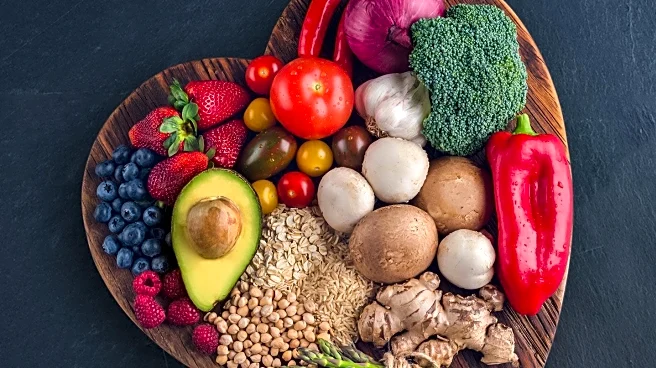
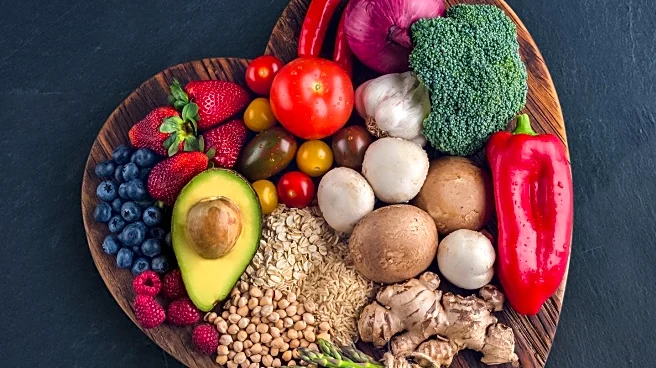
oatmeal mixed with raspberries, blueberries, almonds, and spices like cinnamon and cardamom. This breakfast choice is rich in beta-glucan fiber, known for its cholesterol-lowering properties. The National Institutes of Health reports that only 5% of the U.S. population meets the recommended daily fiber intake of 25 to 38 grams, missing out on significant health benefits. Fiber-rich diets are linked to reduced cholesterol, lower blood pressure, and decreased risk of heart disease.
Why It's Important?
The emphasis on fiber intake is crucial as it plays a significant role in cardiovascular health. Fiber helps in reducing LDL cholesterol levels, which is a major risk factor for heart disease. With heart disease being a leading cause of death in the U.S., increasing fiber intake could have a substantial impact on public health. The low percentage of Americans meeting the recommended fiber intake suggests a need for greater awareness and dietary changes. Cardiologists like Dr. Goldberg advocate for fiber-rich diets not only for their patients but also in their personal lives, highlighting the practical application of medical advice.
What's Next?
To increase fiber intake, individuals are encouraged to incorporate more fiber-rich foods into their diets, such as oatmeal, berries, and nuts. Health professionals may continue to advocate for dietary changes and provide resources like meal plans and healthy snack tips to help individuals meet their fiber needs. As awareness grows, there may be a shift in dietary guidelines and public health campaigns to emphasize the importance of fiber for heart health.
Beyond the Headlines
The push for higher fiber intake also touches on broader issues of dietary habits and public health education. As more people become aware of the benefits of fiber, there could be a cultural shift towards healthier eating patterns. This change could also influence food industry trends, with an increase in the availability of fiber-rich products. Additionally, the focus on fiber highlights the importance of preventive health measures and the role of diet in managing chronic diseases.