



What's Happening?
SOMNDEEP has introduced a new contactless sleep monitoring solution aimed at addressing the common issue of long-term disengagement with wearable health devices. This new technology eliminates the need for users to wear a device, set it up nightly, or manage
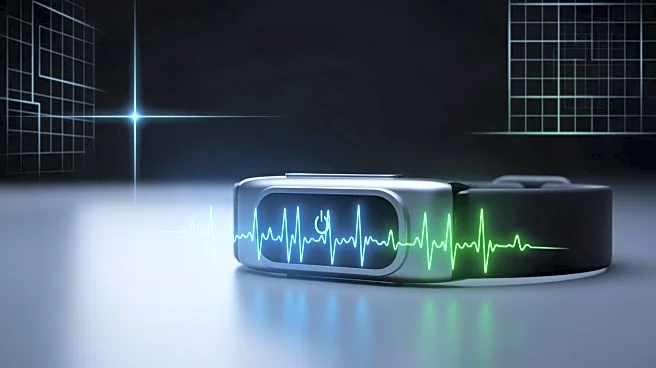
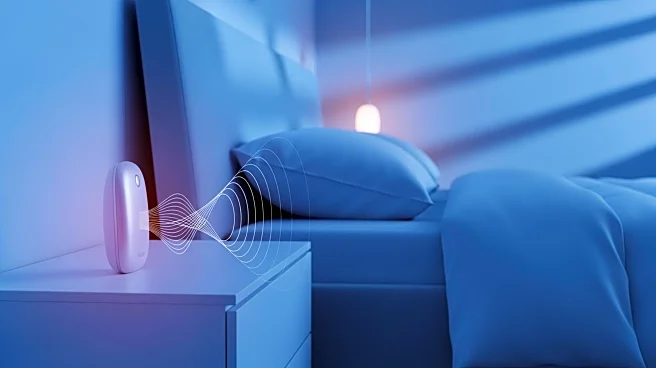
frequent charging, offering a passive approach to sleep tracking. The company highlights that while wearable devices have revolutionized health data engagement by providing continuous access to metrics like step count and heart rate, they often face a decline in user engagement over time. This decline is attributed to the discomfort and inconvenience associated with wearing devices during sleep, which can interfere with rest. SOMNDEEP's solution uses radar-based sensing technology to capture sleep data without physical contact, thus promoting continuous monitoring without disrupting sleep.
Why It's Important?
The introduction of contactless sleep monitoring by SOMNDEEP is significant as it addresses a critical challenge in the wearable health tech industry: user retention. Wearable devices, despite their advanced capabilities, often see a drop in long-term usage due to the discomfort and inconvenience they pose, particularly during sleep. By removing the need for physical contact, SOMNDEEP's solution could enhance user adherence and provide more consistent data over time. This development is particularly beneficial for light sleepers, older adults, and individuals managing long-term health conditions, who may find traditional wearables intrusive. The shift towards invisible, environment-integrated health technology represents a broader trend in the industry, aiming to make health monitoring more seamless and less intrusive.
What's Next?
As SOMNDEEP's contactless technology gains traction, it could lead to a broader adoption of similar passive health monitoring systems. This could prompt other companies in the wearable tech industry to innovate and develop less intrusive solutions. The success of such technologies could also influence healthcare providers and insurers to integrate these systems into health management programs, potentially improving patient outcomes through more consistent health data collection. Additionally, as the technology becomes more widespread, it may lead to further advancements in non-invasive health monitoring, expanding beyond sleep tracking to other areas of health and wellness.
Beyond the Headlines
The move towards contactless health monitoring raises important considerations about data privacy and security. As these systems operate passively and continuously, ensuring that user data is protected and used ethically will be crucial. Additionally, the shift to invisible health tech could change how individuals perceive and interact with health monitoring, potentially reducing the psychological burden of feeling constantly monitored. This could lead to a more positive user experience and greater acceptance of health technology in daily life.