



What's Happening?
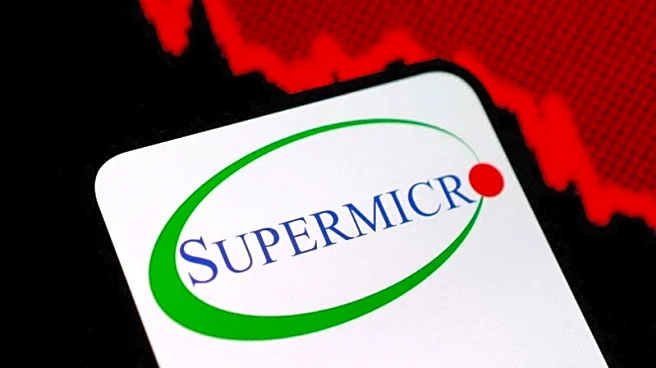
Super Micro Computer Inc.'s stock fell by 33% after U.S. prosecutors charged its co-founder and two others with smuggling AI technology to China. The individuals allegedly routed U.S.-made servers through Taiwan to Southeast Asia, where they were repackaged
and smuggled into China. The charges have raised concerns about Super Micro's business operations and its relationships with suppliers and customers. Analysts predict that Dell could benefit from Super Micro's challenges due to its scale and ties with Nvidia. The company has placed the involved employees on leave and ended its relationship with the contractor.
Why It's Important?
The smuggling charges against Super Micro executives have significant implications for the company's reputation and financial stability. The incident highlights the risks associated with international trade and export controls in the technology sector. Super Micro's stock decline reflects investor concerns about potential legal and regulatory consequences, as well as the impact on its business relationships. The case underscores the importance of compliance with export regulations and the potential repercussions of violations. It also illustrates the competitive pressures within the AI industry and the strategic importance of maintaining strong supplier and customer relationships.
What's Next?
Super Micro will need to navigate the legal and regulatory challenges arising from the smuggling charges. The company may face increased scrutiny from investors, customers, and regulators, which could impact its market position and financial performance. Super Micro may need to enhance its compliance programs and reassess its business strategies to address potential risks. The case could also prompt other tech companies to review their export control practices and relationships with international partners. The U.S. government may consider additional measures to enforce export regulations and prevent similar incidents in the future.