


What's Happening?
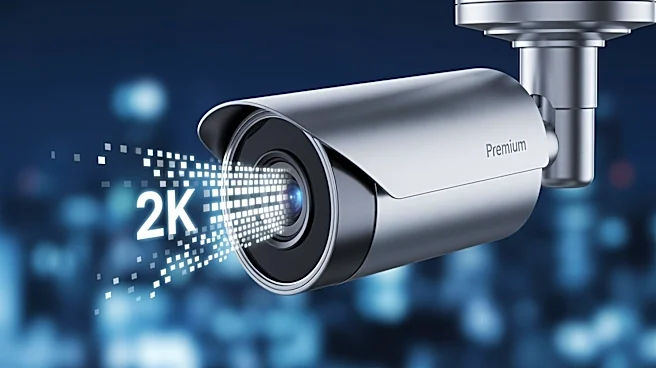
Ring has announced upgrades to its security camera lineup, specifically enhancing the Ring Spotlight and Floodlight models with Retinal 2K resolution. These cameras now feature LED-powered panels designed to illuminate outdoor areas more effectively.
The Ring Floodlight Cam, priced at $200, includes two LED lights providing 2,000 lumens of brightness, customizable motion zones, and a 6x zoom option. It requires a wired installation with a junction box. The second-generation Ring Spotlight Cam, available for $170, offers a battery or plug-in model, 550-lumen LED lights, a siren, two-way talk features, and similar motion detection options. Both models are available for preorder and will ship in early June. They also offer advanced AI features through a subscription service, including video descriptions, cloud storage, and face recognition.
Why It's Important?
The introduction of higher resolution cameras by Ring represents a significant advancement in home security technology. The enhanced clarity and customizable features of these cameras can improve surveillance capabilities for homeowners, potentially deterring crime and providing better evidence in case of incidents. The availability of advanced AI features, albeit at an additional cost, offers users more sophisticated monitoring options, which could appeal to tech-savvy consumers seeking comprehensive security solutions. However, the use of AI and data sharing practices by Ring has raised privacy concerns in the past, which may influence consumer trust and adoption.
What's Next?
As these upgraded cameras become available, consumer response will likely focus on the balance between enhanced security features and privacy concerns. Ring's decision to stop sharing data with law enforcement without a warrant may alleviate some privacy issues, but the company's ongoing use of AI in its products will continue to be scrutinized. Future developments may include further enhancements in AI capabilities or additional privacy safeguards to address user concerns. The market's reception of these products could influence other companies in the security industry to adopt similar technologies or privacy practices.
Beyond the Headlines
The integration of AI in security cameras like those from Ring highlights a broader trend towards smart home technology that prioritizes convenience and security. However, it also raises ethical questions about surveillance and data privacy. As technology advances, the challenge will be to ensure that these innovations do not infringe on individual privacy rights. The ongoing dialogue between tech companies, consumers, and regulatory bodies will be crucial in shaping the future landscape of smart home security.