





What's Happening?
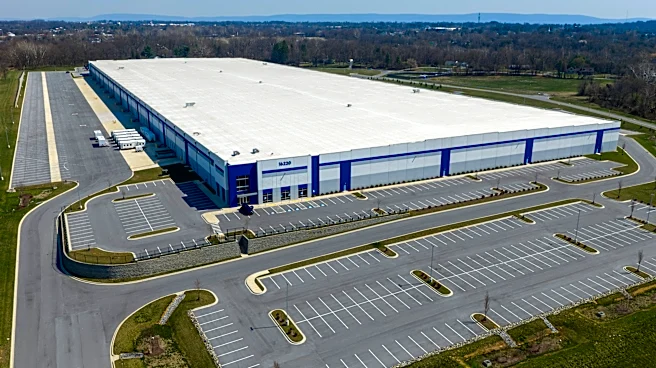
Exol, previously known as GreenBox Logistics, has introduced its first U.S. 'physical AI' fulfillment facilities, marking a significant shift in logistics with its 'fulfillment-as-a-service' model. This initiative aims to expand access to large-scale
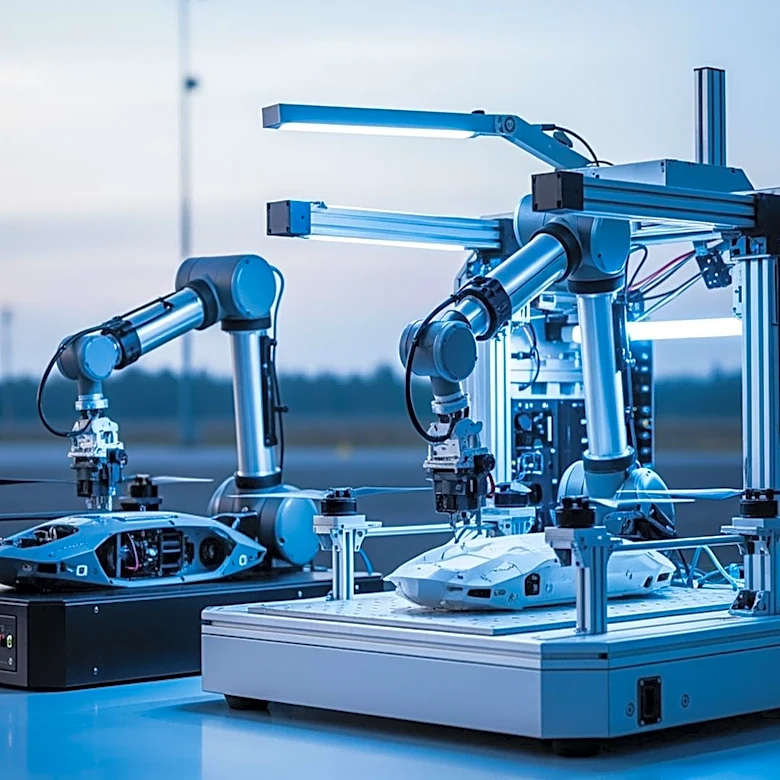
warehouse automation by providing companies with shared, robot-enabled facilities for tasks such as order fulfillment and inventory handling. The first facility is operational in Atlanta, with plans to establish additional sites in California, Texas, New Jersey, and Illinois. This model allows businesses to utilize automated infrastructure without the need for significant capital investment in their own systems. The network is supported by a $7.5 billion commitment from SoftBank Group and Symbotic, featuring AI-enabled robotic systems capable of handling various goods. Exol's approach addresses the growing pressure on supply chains due to rising labor costs and increasing order complexity.
Why It's Important?
The launch of Exol's robotic fulfillment network represents a pivotal moment in the logistics industry, potentially democratizing access to advanced automation technologies. By offering a shared infrastructure model, Exol lowers the barrier for mid-sized businesses to adopt automation, which has traditionally been limited by high costs and long-term contracts. This could lead to increased efficiency and competitiveness across the supply chain, as more companies can now leverage cutting-edge technology without substantial financial commitments. The move also highlights a broader industry trend towards software-driven logistics solutions, which could reshape how businesses approach supply chain management in the future.
What's Next?
Exol plans to expand its network across the U.S., with additional facilities set to open in key states. The company will showcase its platform at MODEX 2026 in Atlanta, aiming to attract interest and test demand for its innovative model. As the network grows, it is expected to drive further adoption of robotic fulfillment solutions, potentially influencing other logistics providers to explore similar service-based models. Stakeholders in the retail, wholesale, and consumer goods sectors may closely monitor Exol's progress to assess the impact on their operations and competitive positioning.