





What's Happening?
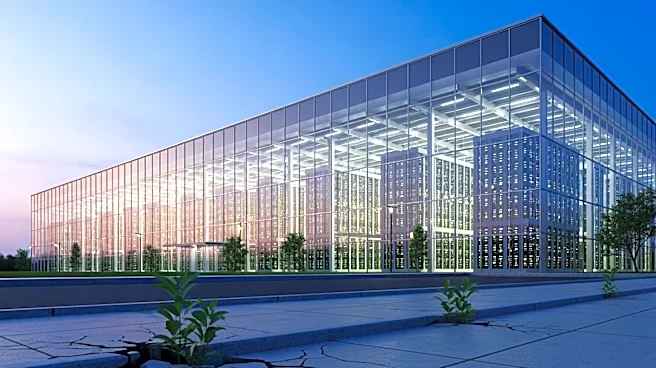
Across the United States, there is growing opposition to the construction of data centers by major tech companies such as Meta, Amazon, and Google. These facilities, which are essential for supporting the infrastructure of artificial intelligence and other
digital services, require significant resources, including water and electricity. In Indianapolis, a proposed $10 billion Meta data center has sparked local protests due to concerns over its environmental impact, particularly the plan to extract up to 25 million gallons of water daily from a local reservoir. This opposition is part of a broader national trend, with more than 1,500 data center projects currently in development. Despite some successful delays or cancellations of projects, many continue to move forward, often with the support of local governments that offer tax incentives and infrastructure support.
Why It's Important?
The expansion of data centers raises significant concerns about environmental sustainability and community impact. These facilities consume vast amounts of natural resources, potentially affecting local water supplies and increasing electricity demand. While tech companies argue that data centers bring economic benefits, such as job creation and increased tax revenue, the long-term benefits to local communities are often questioned. The jobs created are mostly temporary, with few permanent positions available once construction is complete. This situation highlights a tension between economic development and environmental stewardship, as communities weigh the benefits of hosting data centers against the potential costs to their natural resources and quality of life.
What's Next?
As data center projects continue to proliferate, communities and environmental groups are likely to intensify their scrutiny and opposition. This could lead to more stringent regulatory measures and demands for greater transparency and accountability from tech companies. Local governments may face increasing pressure to balance economic incentives with environmental protections. The ongoing debate may also influence public policy, potentially leading to new guidelines or restrictions on data center development. Stakeholders, including tech companies, policymakers, and community leaders, will need to engage in dialogue to address these challenges and find sustainable solutions.
Beyond the Headlines
The controversy over data centers also reflects broader societal concerns about the power and influence of Big Tech. As these companies expand their physical footprint, questions about their responsibility to local communities and the environment become more pressing. The situation underscores the need for a more comprehensive approach to corporate accountability, where tech giants are held to higher standards in their operations. This could lead to a reevaluation of how technology companies contribute to and interact with the communities they impact, potentially reshaping the landscape of corporate social responsibility.