






What's Happening?
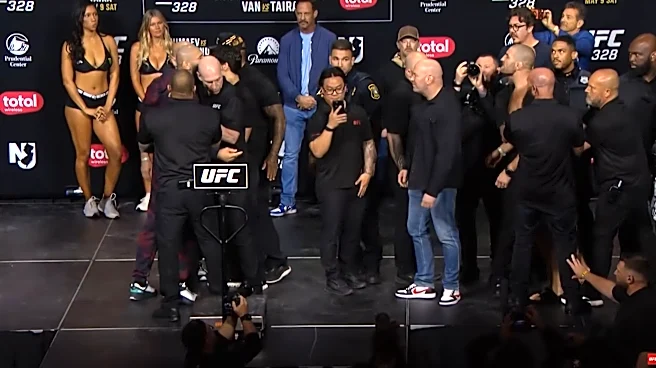
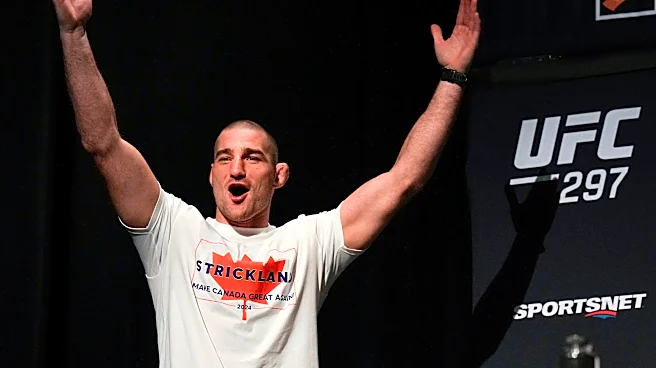
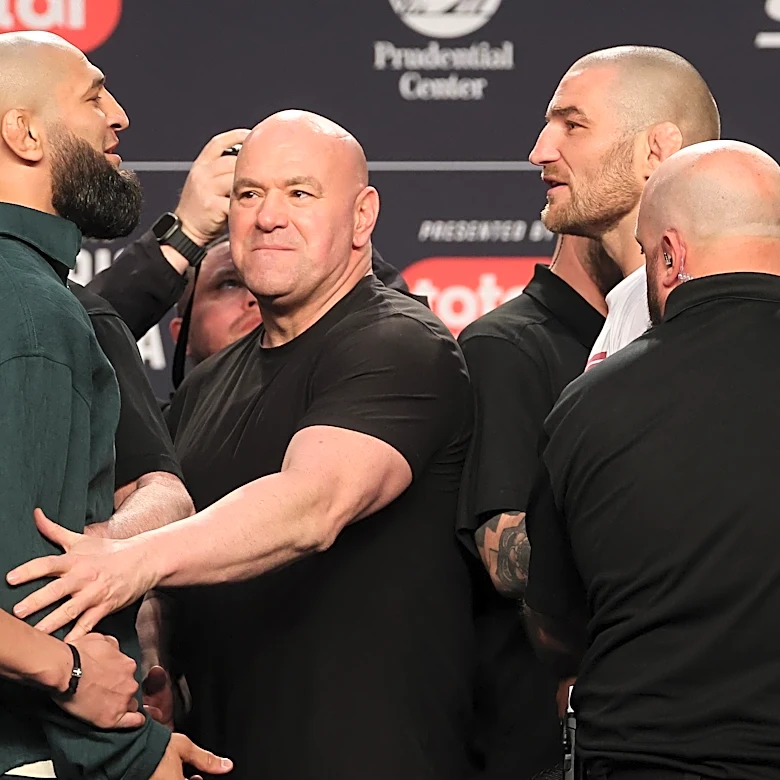
Khamzat Chimaev, the UFC middleweight champion, is facing controversy over his weigh-in for UFC 328. Scheduled to defend his title against Sean Strickland, Chimaev's weigh-in has sparked accusations of cheating. Strickland claims Chimaev did not legitimately
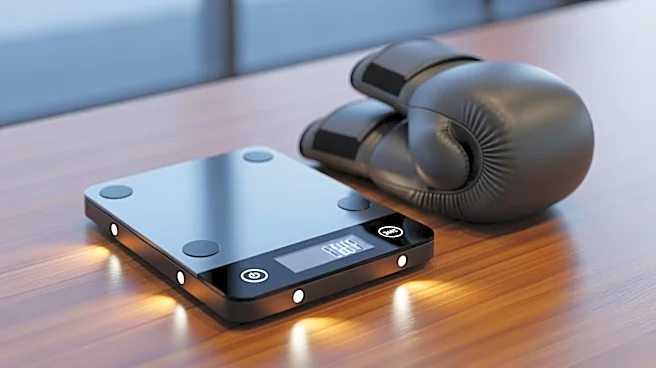
make the 185-pound limit, suggesting the commissioner announced Chimaev's weight before the scale settled. This has led to calls for the use of digital scales to ensure transparency. UFC veteran Tim Elliott has suggested implementing digital scales with visible weight displays to prevent such controversies. This suggestion has gained support from former UFC champion Aljamain Sterling.
Why It's Important?
The controversy surrounding Chimaev's weigh-in highlights ongoing issues with weigh-in procedures in the UFC. Accurate weigh-ins are crucial for maintaining fairness and safety in the sport, as fighters often undergo significant weight cuts. The use of digital scales could enhance transparency and trust in the process, potentially preventing disputes and ensuring fighters' health is not compromised. This issue also underscores the importance of regulatory oversight in combat sports, where weight classes are a fundamental aspect of competition.
What's Next?
The UFC may consider revising its weigh-in procedures to incorporate digital scales, as suggested by Tim Elliott and supported by Aljamain Sterling. This change could be discussed by UFC officials and athletic commissions to improve the accuracy and transparency of weigh-ins. Additionally, the outcome of the UFC 328 fight between Chimaev and Strickland may influence future discussions on weigh-in protocols, especially if the controversy affects the fight's result or public perception.