



What's Happening?
Retail media networks (RMNs) are facing significant challenges due to the rise of agentic commerce, which threatens traditional discovery and purchasing paths. Despite these challenges, RMNs are finding opportunities in leveraging their in-store media networks.
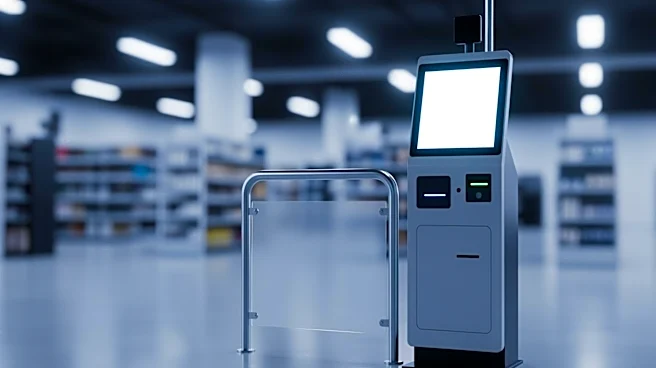
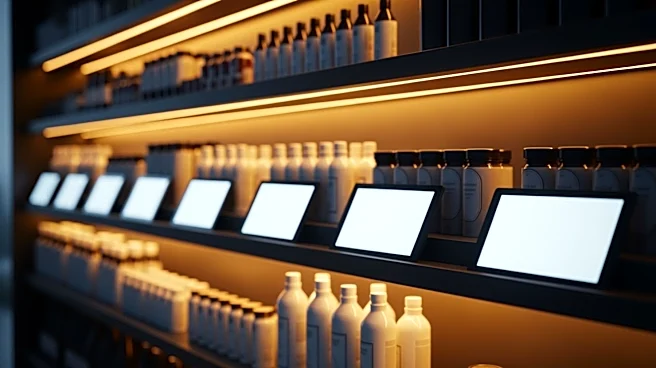
The physical presence of stores offers a unique advantage that digital platforms cannot replicate, providing a sensory and real-time proximity to products. This shift is particularly relevant in the U.S., where in-store digital media currently accounts for less than 1% of retail media. However, there is a growing expectation among CMOs that this will change, with 92% anticipating selling media to brand partners within two years. The alignment between media and merchandising teams is crucial for this transition, as it allows for a unified approach to maximizing the potential of owned media assets.
Why It's Important?
The strategic use of in-store media networks by RMNs is crucial for maintaining competitiveness in a rapidly evolving retail landscape. By capitalizing on the unique advantages of physical stores, retailers can enhance customer experiences and drive sales. This approach not only helps in differentiating from purely digital competitors but also supports the growth of ad revenue streams. The successful integration of media and merchandising teams can lead to increased profitability and a stronger market position. As retailers like Walmart and Costco demonstrate, leveraging in-store media can transform company economics and contribute to long-term sustainability.
What's Next?
Retailers are expected to continue exploring and expanding their in-store media capabilities. This will likely involve increased collaboration between media and merchandising teams to align incentives and optimize the use of owned media assets. As more retailers recognize the value of in-store media, there may be a shift towards greater investment in these networks. Additionally, the industry may see further innovation in how in-store media is utilized to enhance customer engagement and drive sales. The ongoing evolution of RMNs will require continuous adaptation to new technologies and consumer behaviors.