

What's Happening?
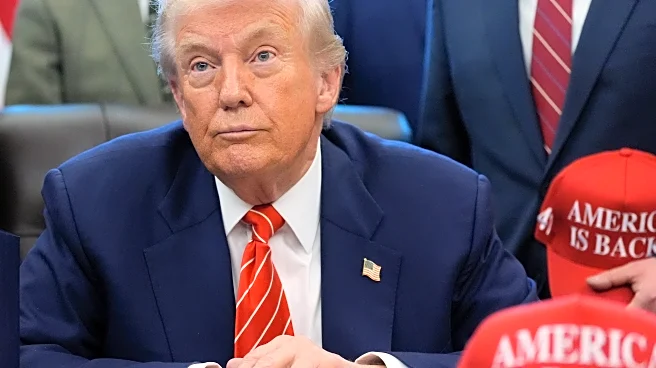
The documentary 'Melania,' focusing on the days leading up to President Trump's second inauguration, has sparked varied reactions across the United States. The film, which debuted in theaters nationwide, has been both criticized and praised. Critics have largely panned the film, with some labeling it as an expensive attempt by Amazon to curry favor with President Trump. Despite this, the documentary managed to gross $7 million, making it the top-performing documentary at the box office in a decade. The audience for the film was predominantly female and over the age of 45, with a significant portion being Trump supporters. The film's content focuses on Melania Trump's fashion choices and her role as the First Lady, avoiding controversial political
topics.
Why It's Important?
The release of the 'Melania' documentary highlights the ongoing cultural and political divide in the United States. For supporters of President Trump, the film serves as a celebration of Melania Trump's contributions and style, offering a narrative that aligns with their views. Conversely, critics see it as a politically motivated project that glosses over significant controversies associated with the Trump administration. The film's performance at the box office, despite mixed reviews, indicates a strong interest in content related to the Trump family, reflecting their continued influence in American politics and culture.
What's Next?
Following its initial success, Amazon plans to expand the documentary's release to 2,000 screens across the country, coinciding with Super Bowl weekend. This strategic move aims to capitalize on the film's momentum and reach a broader audience. The expansion could further polarize opinions, as it competes with major events like the Super Bowl, which traditionally draws significant viewership. The documentary's performance in this expanded release will be closely watched as an indicator of its broader appeal and the enduring interest in the Trump family.
Beyond the Headlines
The documentary's focus on Melania Trump's fashion and personal life, rather than political controversies, raises questions about the portrayal of public figures and the narratives that are emphasized in media. This approach may appeal to audiences interested in celebrity culture and personal stories, but it also highlights the challenges of balancing public interest with political accountability. The film's reception underscores the complexities of media representation in a highly polarized political environment.