
What's Happening?
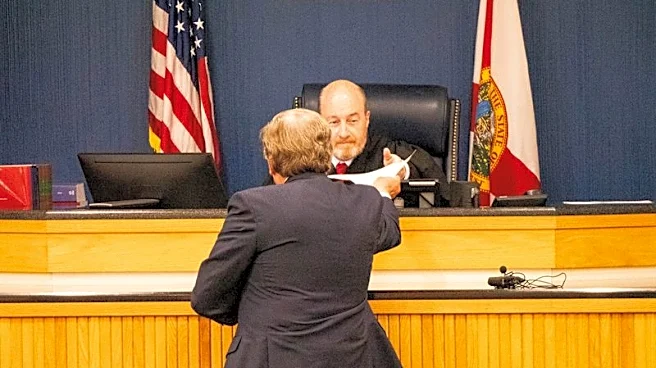
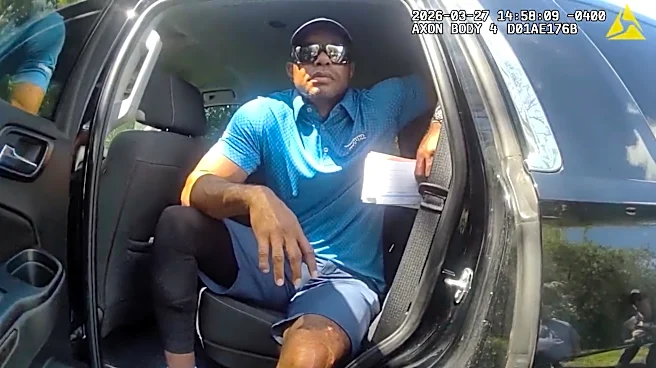
Tiger Woods, a prominent golfer, is required to submit his prescription drug records to law enforcement as part of an investigation into a traffic crash on March 27. A judge in Martin County, Florida,
ruled that these records will not be made public, limiting access to select individuals involved in the court case. Woods was arrested for driving under the influence after his vehicle collided with a pickup truck. The court's decision restricts the subpoenaed records to those from January 1 to March 27, which can be shared with the defense, state attorney's office, designated law enforcement, and prosecution experts.
Why It's Important?
The ruling underscores the balance between public interest and individual privacy in legal proceedings. While the public records law in Florida is broad, the decision to shield Woods's prescription records highlights the legal system's discretion in protecting sensitive information. This case may set a precedent for how similar cases are handled, particularly involving high-profile individuals, and raises questions about privacy rights versus transparency in legal investigations.
What's Next?
The investigation into Woods's crash will continue, with the protected records potentially playing a role in the legal proceedings. Both the defense and prosecution will need to navigate the court's restrictions on the use of these records. The outcome of this case could influence future legal strategies in cases involving prescription drug use and DUI charges, especially for public figures.