
What's Happening?
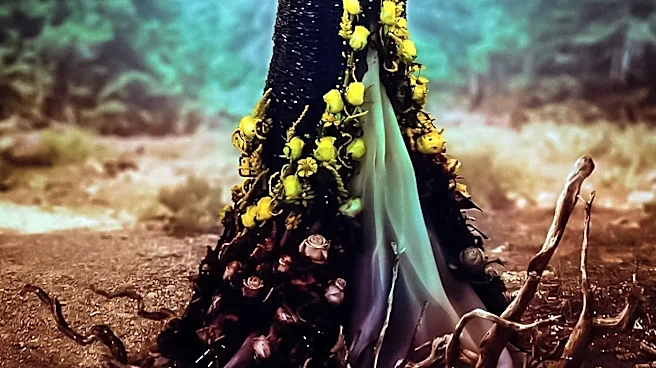
The fashion industry is celebrating Earth Day with a focus on nature-inspired designs showcased on the runways. Designers have incorporated organic elements into their collections, with notable examples
including Dior's cyclamen-adorned models and Chanel's mushroom forest-themed presentation. The spring 2026 couture season highlighted the use of natural materials and themes, continuing into the fall 2026 shows with moss-covered runways and designs that blend utilitarian and cultural elements. This trend underscores the industry's appreciation for nature as a source of inspiration and creativity.
Why It's Important?
The integration of nature-inspired designs in fashion highlights a growing trend towards sustainability and environmental consciousness within the industry. By using organic materials and themes, designers are not only showcasing their creativity but also promoting a message of environmental awareness. This shift could influence consumer preferences, encouraging more sustainable fashion choices and practices. The emphasis on nature also reflects a broader cultural movement towards valuing and preserving the environment, which could have significant implications for fashion production and marketing strategies.
What's Next?
As the fashion industry continues to embrace sustainability, we can expect to see more designers incorporating eco-friendly materials and practices into their collections. This trend may lead to increased collaboration between fashion brands and environmental organizations, as well as the development of new technologies and materials that reduce the industry's environmental impact. Additionally, consumer demand for sustainable fashion is likely to grow, prompting brands to prioritize transparency and ethical practices in their supply chains.
Beyond the Headlines
The focus on nature-inspired designs also raises questions about the role of fashion in promoting environmental awareness and activism. By using their platforms to highlight environmental issues, designers can influence public perception and encourage positive change. This trend may also inspire other industries to adopt similar practices, contributing to a broader cultural shift towards sustainability and environmental responsibility.