



What's Happening?
YPO has introduced the UK's first modular buildings framework compliant with the Procurement Act 2023, appointing 29 suppliers across 15 lots. This four-year framework provides public bodies with options to purchase or hire modular buildings for various
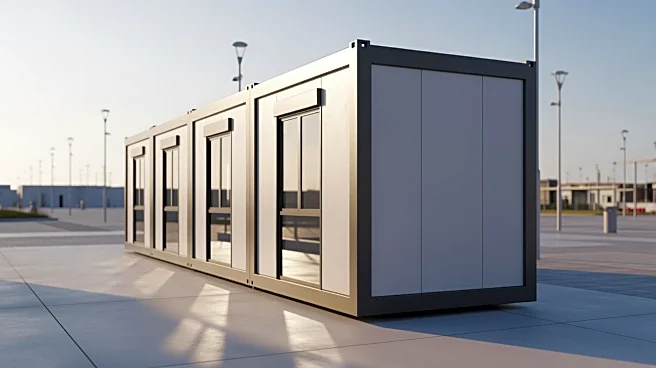
sectors including education, healthcare, housing, and justice. The initiative aims to offer faster-build, lower-waste solutions to help authorities meet capital budget constraints and carbon targets. The framework covers both 2D and 3D primary structural systems, requiring a minimum pre-manufactured value of 55 percent. It also mandates that all suppliers adhere to the Common Assessment Standard. The framework is designed to provide turnkey delivery, encompassing design, manufacture, supply, installation, commissioning, removal, relocation, and maintenance.
Why It's Important?
The introduction of this modular buildings framework is significant as it addresses the growing need for efficient and sustainable infrastructure solutions within the public sector. By facilitating faster construction and reducing waste, the framework supports environmental goals and budgetary constraints faced by public authorities. This initiative could lead to improved infrastructure in critical areas such as education and healthcare, enhancing service delivery and operational efficiency. The framework's emphasis on sustainability and innovation aligns with broader efforts to reduce carbon footprints and promote eco-friendly practices in construction.
What's Next?
Contracts under this framework are set to run from March 2026 to March 2030, indicating a long-term commitment to modular building solutions. As the framework progresses, stakeholders including public authorities and suppliers will likely collaborate to maximize the benefits of modular construction. This could involve refining processes, expanding the range of modular solutions offered, and potentially influencing policy decisions related to public sector infrastructure development.
Beyond the Headlines
The modular buildings framework may also have implications for the construction industry, potentially driving innovation and competition among suppliers. As public sector demand for modular solutions increases, companies may invest in new technologies and methods to enhance their offerings. This could lead to broader adoption of modular construction techniques in other sectors, contributing to a shift towards more sustainable building practices.