







What's Happening?
Choline, a nutrient once known as vitamin J, is essential for brain development, liver health, and muscle function. Despite its importance, many Americans do not get enough choline from their diet. The body uses choline to produce acetylcholine, a neurotransmitter
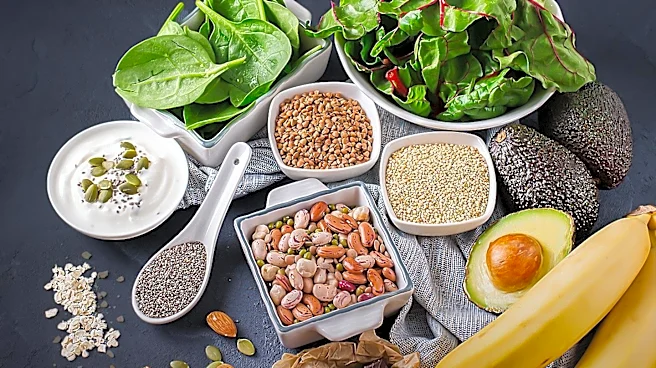
crucial for cognitive function and emotional regulation. Choline is also vital for fetal brain development and may reduce the risk of neural tube defects. It is found in foods like beef liver, eggs, and soybeans. The National Institutes of Health recommends specific daily intakes for different age groups, but excessive consumption can lead to adverse effects.
Why It's Important?
Choline's role in brain and liver health underscores the need for awareness and adequate intake of this nutrient. Its deficiency can lead to cognitive and developmental issues, highlighting its significance in prenatal nutrition and aging populations. The potential link between choline intake and reduced risk of Alzheimer's and anxiety disorders suggests broader implications for mental health. As dietary habits evolve, ensuring sufficient choline intake through food or supplements becomes increasingly important for public health.