



What's Happening?
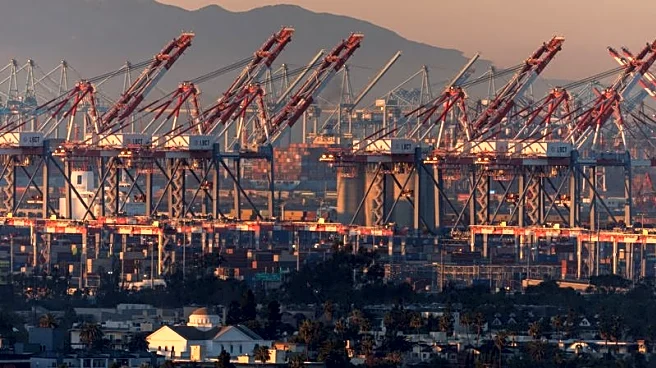
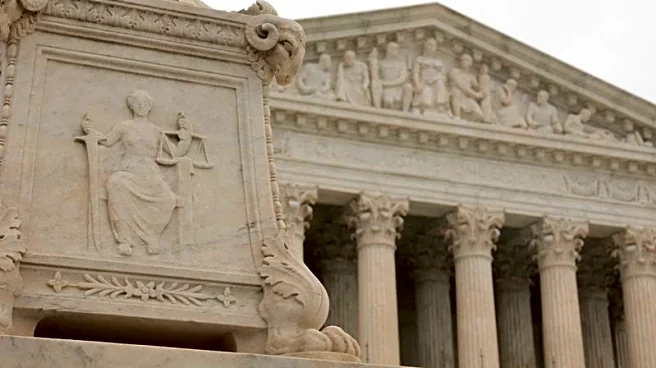
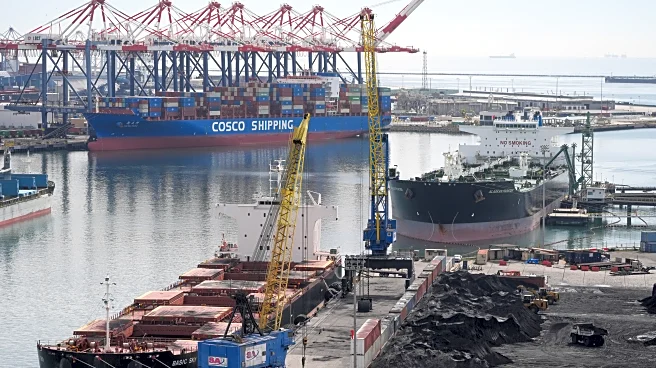
President Trump has announced a new 15% worldwide tariff, replacing a previously announced 10% global tariff. This decision follows a Supreme Court ruling that overturned many of the import taxes imposed by Trump last year. The announcement has created
uncertainty among economists and business leaders, as the details of the new tariff remain unclear. The move is part of Trump's ongoing strategy to address what he perceives as unfair trade practices against the U.S. The tariff changes have already impacted the economy, with businesses hesitant to hire due to the unpredictability of future tariffs. This uncertainty has contributed to a challenging job market, marking 2025 as one of the worst years for employment outside of a recession in over two decades.
Why It's Important?
The introduction of a new 15% tariff by President Trump could have significant implications for the U.S. economy. The uncertainty surrounding the tariffs may deter business investments and hiring, potentially slowing economic growth. Companies affected by the tariffs might face increased costs, which could be passed on to consumers, leading to higher prices. This move could also strain international trade relations, as countries affected by the tariffs may retaliate with their own trade barriers. The economic uncertainty could further impact financial markets, as investors react to the potential for increased costs and reduced profitability for U.S. companies.
What's Next?
The Trump administration is expected to determine and issue new tariffs in the coming months, which could lead to further legal challenges and potential refunds for companies that have already paid import taxes. Businesses and economists will be closely monitoring the situation to assess the impact on trade and the broader economy. The administration's actions may prompt responses from international trading partners, potentially leading to negotiations or trade disputes. The evolving tariff landscape will likely influence business strategies and economic forecasts in the near term.