



What's Happening?
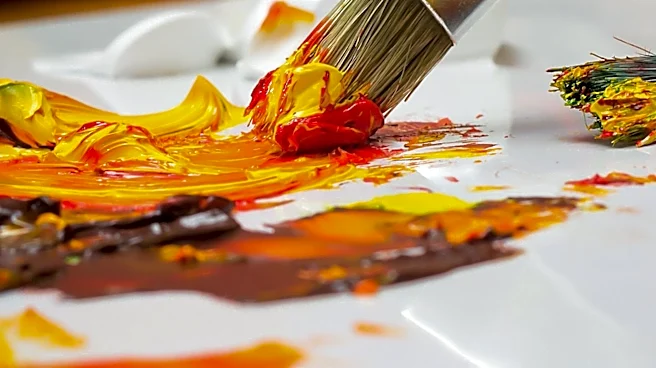
A study conducted by University College London researchers suggests that regular participation in the arts, such as attending concerts or engaging in creative activities like painting, may slow biological aging. The study utilized 'epigenetic clocks'
to measure biological age and found that individuals who engaged in arts activities at least weekly were, on average, a year younger biologically than those who did so rarely. The effects were more pronounced in middle-aged and older adults. The researchers propose that the arts could be integrated into public health strategies, as they offer cognitive, sensory, and social benefits that contribute to overall well-being.
Why It's Important?
The study highlights the potential health benefits of arts participation, suggesting that it could be as beneficial as physical exercise in promoting healthy aging. This finding could influence public health policies by encouraging the inclusion of arts and cultural activities in health promotion strategies. The research underscores the importance of a holistic approach to health that includes not only physical but also social and creative activities. As the population ages, integrating arts into public health initiatives could improve quality of life and reduce healthcare costs associated with aging.
Beyond the Headlines
The study raises questions about the relationship between arts participation and biological aging, including whether the observed effects are due to the arts themselves or other factors associated with a culturally active lifestyle. The research also highlights the broader role of the arts in society, not only as a source of entertainment but as a vital component of community and spiritual life. The potential for arts to contribute to public health strategies reflects a shift towards recognizing the interconnectedness of mental, physical, and social well-being.