
What's Happening?
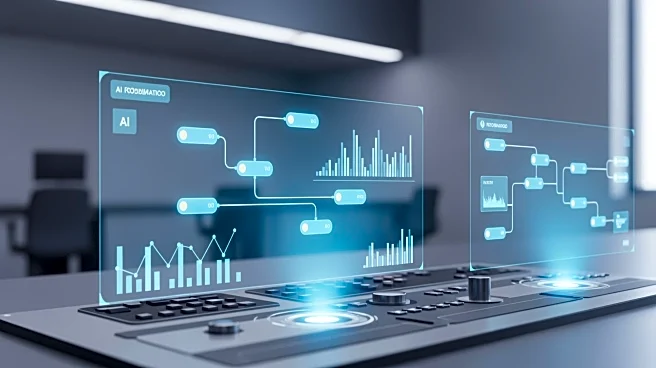
AI-powered workforce orchestration is transforming how work is organized, moving away from traditional job structures to a more dynamic approach focused on real-time capabilities. This shift allows organizations
to align work with actual business needs, enhancing flexibility and efficiency. The integration of AI into workforce management enables predictive planning, continuous hiring, and improved mobility, allowing human teams to focus on strategic tasks. This evolution is seen as a necessary adaptation to the fast-paced digital economy, where static roles are increasingly inadequate.
Why It's Important?
The transition to AI-powered workforce orchestration represents a significant shift in how businesses operate, with potential implications for employee roles, job security, and organizational efficiency. By leveraging AI, companies can better respond to market demands and optimize their workforce, potentially leading to increased productivity and innovation. However, this shift also raises questions about the future of work, including the balance between human and AI contributions and the need for new skills and training. As organizations navigate this change, they must consider the impact on their workforce and ensure that employees are equipped to thrive in this new environment.