



What's Happening?
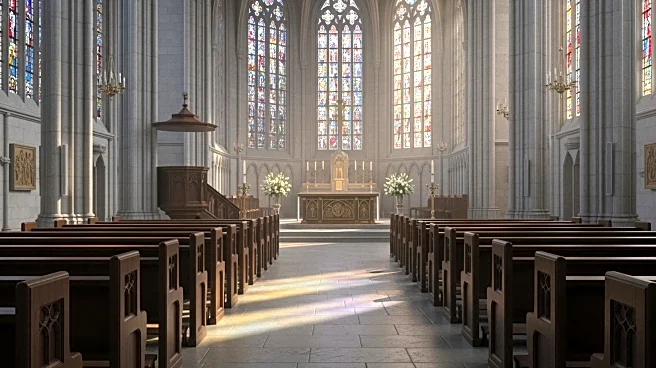
The funeral of legendary salsa musician Willie Colón took place at St. Patrick's Cathedral in New York City, drawing a large crowd of mourners. Colón, who passed away at the age of 75, was a pivotal figure in the salsa music scene and a community leader.
His career spanned decades, during which he produced over 40 albums and collaborated with notable artists like Rubén Blades and Celia Cruz. Colón was also known for his activism and contributions to civil rights. The funeral followed private and public viewings, where fans paid their respects amidst tributes and Puerto Rican flags.
Why It's Important?
Willie Colón's passing marks the end of an era for the salsa music genre and the Nuyorican cultural movement. His influence extended beyond music, as he was a prominent advocate for civil rights and Latino representation in the United States. Colón's work in blending various musical styles helped shape the sound of salsa, making it a global phenomenon. His contributions to music and activism have left a lasting legacy, inspiring future generations of artists and community leaders. The large turnout at his funeral reflects his significant impact on both the music industry and the Latino community.
What's Next?
Following Willie Colón's funeral, the music community and fans are likely to continue celebrating his legacy through tributes and commemorations. His influence on salsa music and cultural activism may inspire renewed interest in his work and the genre as a whole. Additionally, discussions around his contributions to civil rights and Latino representation may gain traction, potentially influencing future initiatives and movements. The music industry may also see a resurgence in the popularity of Colón's music, as fans and new listeners explore his extensive discography.