







What's Happening?
The Federal Reserve recently decided to maintain the federal funds rate within the 3.50% to 3.75% range, despite internal disagreements and external economic pressures. The decision comes amid rising oil prices and ongoing geopolitical tensions, which
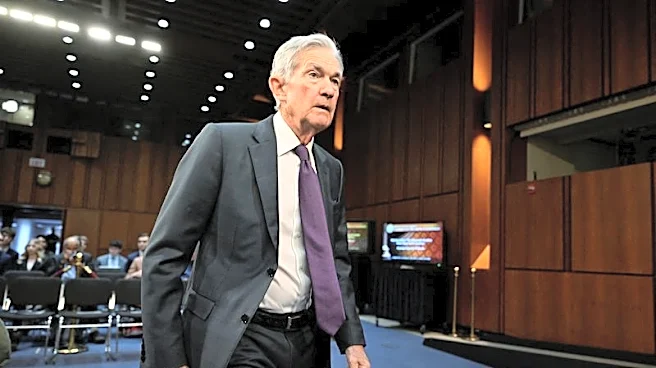
have complicated the central bank's policy outlook. Fed Chair Jerome Powell emphasized the persistent pressure on the economy from higher oil prices, although he noted that it hasn't yet disrupted the long-term inflation outlook. The Federal Open Market Committee (FOMC) is experiencing significant internal debate, with some members opposing any indication of a bias towards rate cuts. This division reflects broader uncertainties in the economic landscape, as inflation remains above the Fed's 2% target, with the Personal Consumption Expenditures price index rising to 3.5% annually.
Why It's Important?
The Federal Reserve's decision to hold interest rates steady highlights the complex economic environment influenced by geopolitical tensions and inflationary pressures. This decision impacts various stakeholders, including bond traders and fixed-income investors, who must navigate a landscape of potential volatility and changing monetary policy signals. The internal disagreements within the Fed suggest a cautious approach to future rate adjustments, which could affect market expectations and economic stability. As inflation remains above target, the Fed's stance will be crucial in shaping economic policy and investor confidence. The ongoing debate within the FOMC underscores the challenges of balancing inflation control with economic growth, particularly in a politically charged environment.
What's Next?
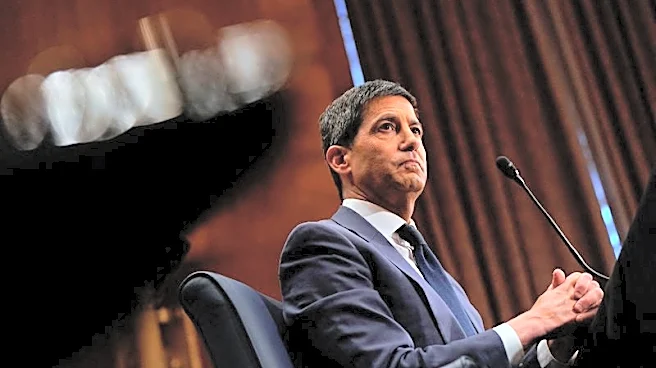
Looking ahead, the Federal Reserve's future actions will be closely monitored by investors and policymakers. The potential confirmation of Kevin Warsh as the new Fed chair could signal shifts in monetary policy and communication strategies. Markets may react to changes in leadership and policy direction, influencing treasury yields and credit spreads. The Fed's approach to inflation and interest rates will continue to be a focal point, with potential implications for economic growth and financial market stability. Stakeholders will need to remain vigilant as the Fed navigates these complex dynamics, balancing the need for economic stability with the pressures of inflation and geopolitical uncertainties.