


What's Happening?
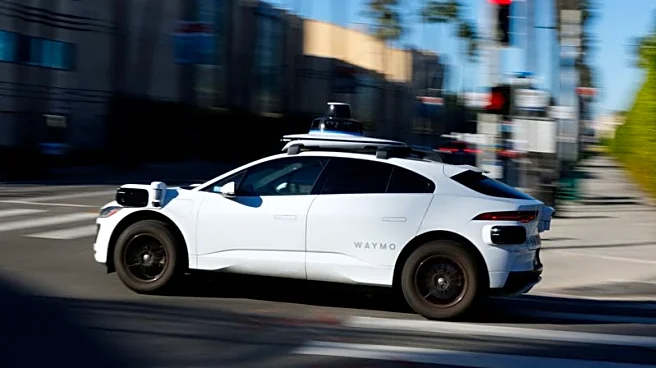
Waymo, a leader in self-driving technology, is reportedly planning to purchase 50,000 Hyundai Ioniq 5 electric vehicles to expand its robotaxi fleet. The deal, valued at approximately $2.5 billion, would significantly increase Waymo's capacity to offer autonomous ride services. The vehicles are expected to be equipped with Waymo's proprietary sensor suite, although the specifics of the deal, including whether the sensors are included in the initial cost, remain unclear. This potential acquisition follows Waymo's previous partnerships with Jaguar and Zeekr for its robotaxi operations. Discussions between Waymo and Hyundai have been ongoing since 2024, and while the contract has not been officially confirmed, the leak of details suggests an announcement
may be forthcoming.
Why It's Important?
This potential acquisition represents a significant step in Waymo's efforts to scale its autonomous vehicle operations. By expanding its fleet with Hyundai's Ioniq 5, Waymo could enhance its service offerings and increase its market presence in the competitive autonomous vehicle industry. The move also highlights the growing collaboration between traditional automakers and tech companies in the development of self-driving technology. If successful, this expansion could accelerate the adoption of autonomous vehicles, potentially transforming urban transportation and reducing reliance on human-driven cars. The deal also underscores the importance of strategic partnerships in advancing autonomous vehicle technology.
What's Next?
If the deal is finalized, Waymo will likely focus on integrating its sensor technology into the Hyundai Ioniq 5 vehicles and preparing them for deployment in its robotaxi fleet. The company may also explore additional partnerships to further expand its autonomous vehicle offerings. As Waymo scales its operations, it will need to address regulatory challenges and public concerns about the safety and reliability of self-driving cars. The success of this expansion could influence other companies in the autonomous vehicle space to pursue similar partnerships, potentially accelerating the industry's growth.