



What's Happening?
A mother, Susie Shaw, shares her poignant journey of grief and healing following the tragic death of her son, William, in a ski accident in 2019. Initially, Mother's Day was a time for her to enjoy personal time away from her parenting duties. However,
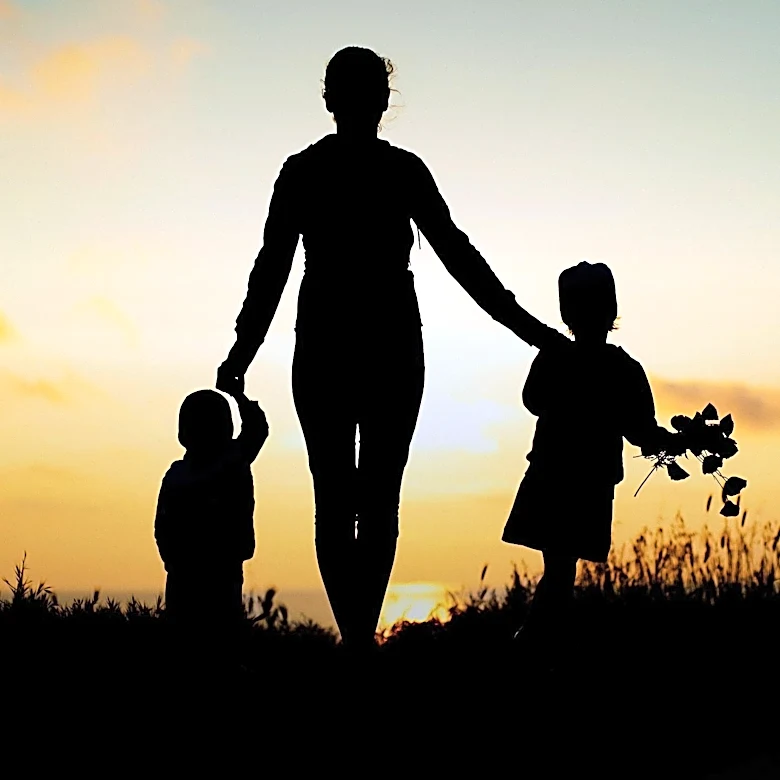
after William's death, the day became a painful reminder of her loss. Shaw describes how she found a way to continue parenting William by sharing his story and creating a legacy in his name. She now spends Mother's Day at the cemetery, where she feels her family is complete, visiting William's grave with her husband and living children. This ritual has transformed the cemetery into a place of joy and connection, where they celebrate William's life and their family bond.
Why It's Important?
This story highlights the profound impact of grief on family dynamics and the ways individuals find to cope with loss. Shaw's experience underscores the importance of creating new traditions to honor loved ones who have passed, which can provide comfort and a sense of continuity. Her approach to Mother's Day offers a perspective on how families can integrate the memory of deceased members into their lives, fostering resilience and emotional healing. This narrative also sheds light on the broader societal need to support bereaved parents and recognize the ongoing nature of their grief.
What's Next?
Shaw's story may inspire other bereaved parents to find personal ways to honor their lost children, potentially leading to broader discussions about grief and remembrance. As more families share similar experiences, there could be increased awareness and resources dedicated to supporting those who have lost children. This could also influence how society perceives and supports grieving parents, encouraging more inclusive and compassionate practices.
Beyond the Headlines
The cultural implications of Shaw's story suggest a shift towards more open discussions about grief and loss. By sharing her journey, Shaw contributes to a growing movement that challenges the stigma around discussing death and bereavement. This openness can lead to greater empathy and understanding within communities, promoting mental health and emotional well-being. Additionally, her story highlights the role of rituals and traditions in processing grief, which can be a valuable tool for others navigating similar experiences.