





What's Happening?
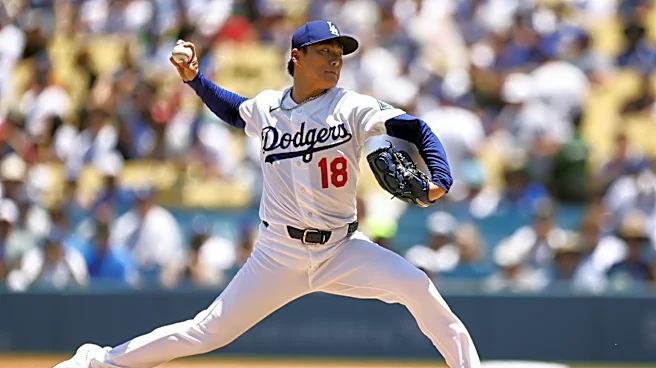
Major League Baseball (MLB) is experiencing a significant decline in batting averages during the 2026 season, with the league average dropping to .240, the lowest since 1968. This trend is attributed to the enhanced skills of pitchers and defenders, as well
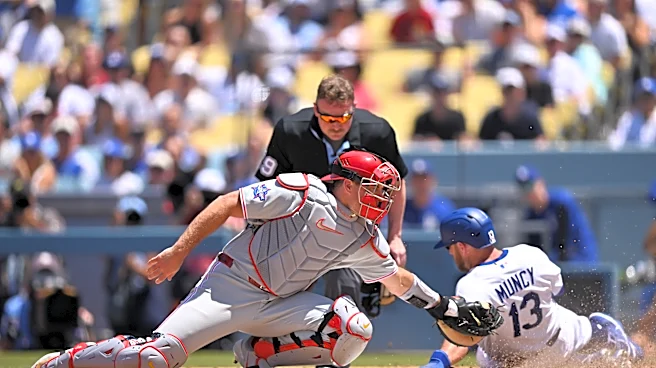
as changes in the baseballs used since 2021. Despite a decrease in strikeout rates, the effectiveness of pitchers has increased, with more than a third of fastballs exceeding 95 mph. Additionally, defensive efficiency has improved, with fewer errors and a higher rate of batted balls being converted into outs. The current approach of hitters, focusing on home runs, is proving less effective due to these changes.
Why It's Important?
The decline in batting averages is significant as it impacts the overall excitement and engagement of the game. Fewer hits result in less action on the field and fewer base runners, which can reduce the drama and appeal of the sport. This trend poses a challenge for MLB as it seeks to maintain and grow its fan base. The league's popularity is partly driven by star players and technological advancements, but the lack of hits could threaten the sport's entertainment value. Adjustments in strategy or further rule changes may be necessary to address this issue and enhance the viewing experience.
What's Next?
To address the decline in batting averages, MLB may consider implementing new rules or encouraging hitters to adjust their strategies. Potential solutions include moving the pitcher's mound back to give hitters more reaction time or shrinking the strike zone to increase the likelihood of fastballs. These changes aim to balance the competition between pitchers and hitters, potentially increasing batting averages and restoring excitement to the game. The league will need to carefully evaluate these options to ensure they enhance the sport without compromising its integrity.