


What's Happening?
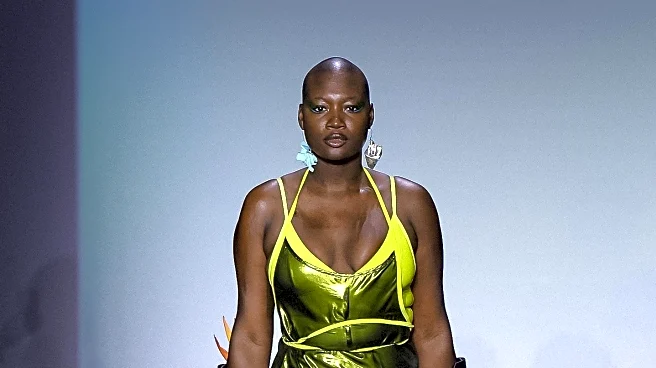
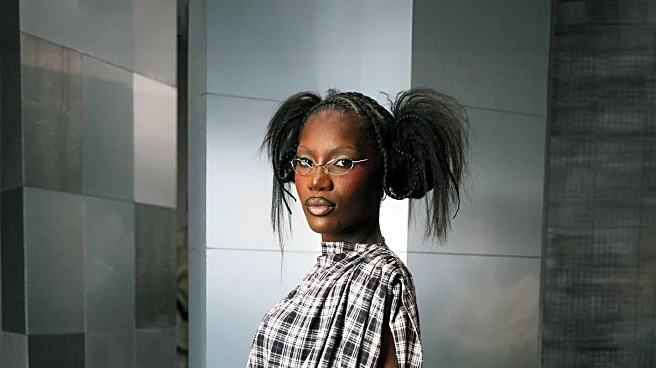
Karoline Vitto, a Brazilian-born designer, showcased her Fall 2026 collection, focusing on sophisticated takes on Y2K fashion elements such as low-riding trousers and spaghetti tops. The collection emphasized innovative cuts that adapt to different body
types, featuring details like zipped gussets and elastic structures for adjustable sizing. Vitto's designs aim to promote inclusivity in fashion, challenging the industry's recent pullback on body diversity. Her collaboration with Pull&Bear, which includes styles for both women and men, highlights her commitment to accessible fashion.
Why It's Important?
Vitto's collection addresses the ongoing conversation about body diversity in the fashion industry. By focusing on adaptable designs, she challenges the traditional sizing norms and promotes inclusivity. This approach not only broadens the market reach but also sets a precedent for other designers to follow. The collaboration with Pull&Bear demonstrates the potential for high-fashion concepts to be integrated into mainstream retail, potentially influencing consumer expectations and industry standards regarding size inclusivity.
What's Next?
The fashion industry may see increased pressure to adopt more inclusive sizing and design practices. Vitto's collaboration with a major retailer like Pull&Bear could inspire similar partnerships, encouraging other designers to prioritize body diversity. As consumer demand for inclusive fashion grows, brands may need to invest in innovative design techniques and pattern-cutting expertise to remain competitive.
Beyond the Headlines
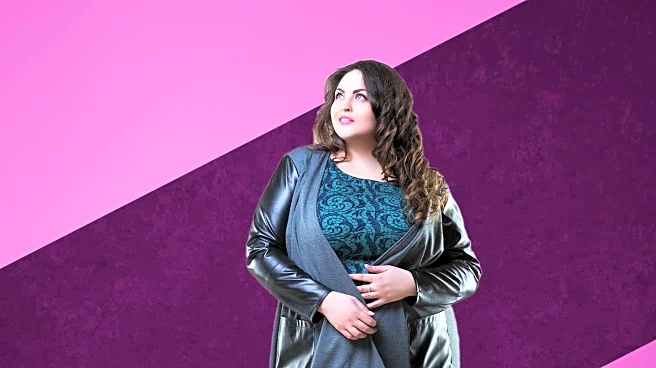
Vitto's emphasis on body diversity highlights a cultural shift towards more inclusive representation in fashion. This movement challenges the industry's historical focus on a narrow range of body types, promoting a broader acceptance of diverse shapes and sizes. The success of such initiatives could lead to long-term changes in fashion marketing and retail strategies, fostering a more inclusive and representative industry.