



What's Happening?
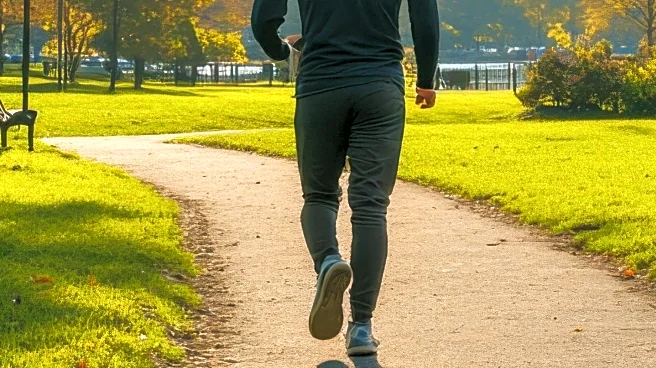
Recent studies have highlighted the health benefits of walking, particularly when done in the morning. According to a 2023 study published in the Journal of Physiology, morning walks can significantly improve blood pressure, insulin concentration, and
insulin resistance in patients with metabolic syndrome compared to afternoon walks. The research suggests that morning exercise may help regulate circadian rhythms, potentially leading to better sleep quality. Additionally, walking in a fasted state, which is common in the morning, may promote fat utilization for energy, although this effect varies among individuals. Experts like Laura A. Richardson from the University of Michigan emphasize that while morning walks have specific benefits, the overall timing of exercise should align with personal schedules to ensure consistency.
Why It's Important?
The findings underscore the importance of integrating physical activity into daily routines, particularly for individuals with metabolic syndrome, a condition that increases the risk of heart disease and diabetes. By improving key health metrics, morning walks could serve as a simple yet effective intervention to enhance cardiovascular health and metabolic function. This has broader implications for public health strategies aimed at reducing the prevalence of lifestyle-related diseases. Moreover, the potential for morning walks to improve sleep quality and mood highlights their role in promoting overall well-being. As healthcare costs continue to rise, such low-cost, accessible interventions could play a crucial role in preventive health measures.
What's Next?
Further research is needed to explore the long-term effects of morning walking on different populations, including women, as most existing studies have focused on men. Additionally, understanding individual variations in response to exercise timing could help tailor personalized exercise recommendations. Public health campaigns may increasingly advocate for morning physical activity as part of a holistic approach to managing metabolic syndrome and related conditions. As awareness grows, healthcare providers might incorporate exercise timing into their advice for patients seeking to improve their health outcomes.
Beyond the Headlines
The emphasis on morning walks also raises questions about the accessibility of safe walking environments, particularly in urban areas. Ensuring that individuals have access to safe, well-maintained walking paths could enhance participation in such health-promoting activities. Furthermore, the cultural shift towards prioritizing morning exercise could influence workplace policies, encouraging flexible schedules that allow employees to engage in physical activity before starting their workday.