







What's Happening?
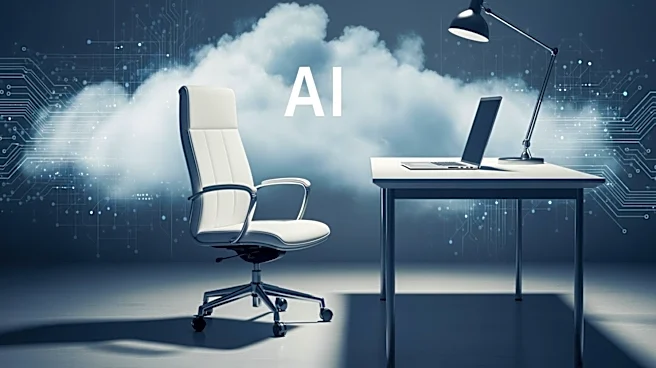
Cloudflare has announced a significant reduction in its workforce, cutting 20% of its employees, which amounts to over 1,100 jobs. This decision comes as the company experiences a 600% increase in AI usage over the past three months. Despite reporting
a strong first quarter with a 34% year-on-year revenue increase to nearly $640 million, Cloudflare's shares fell by more than 16% in after-hours trading. The company anticipates restructuring costs to reach up to $150 million. Cloudflare's CEO, Matthew Prince, emphasized that the layoffs are not a cost-cutting measure but a strategic move to align the company with the evolving AI landscape. The company plans to hire over 1,000 interns to enhance AI application, indicating a shift towards a younger, AI-savvy workforce.
Why It's Important?
The layoffs at Cloudflare highlight a broader trend in the tech industry where companies are increasingly integrating AI into their operations, often at the expense of human jobs. This shift reflects a significant change in how businesses operate, with AI driving efficiency and reducing the need for large teams. The move by Cloudflare and other tech giants like Meta, Coinbase, and Amazon to reduce their workforce in favor of AI solutions underscores the transformative impact of AI on the job market. This trend could lead to a reevaluation of workforce strategies across industries, potentially affecting job security and employment patterns in the tech sector.
What's Next?
As Cloudflare and other companies continue to embrace AI, there may be further workforce reductions and restructuring in the tech industry. The focus on AI could lead to increased demand for AI-related skills, prompting educational institutions and training programs to adapt their curricula. Additionally, the integration of AI may drive innovation and efficiency, potentially leading to new business models and opportunities. However, it also raises concerns about job displacement and the need for policies to support workers affected by these changes.