





What's Happening?
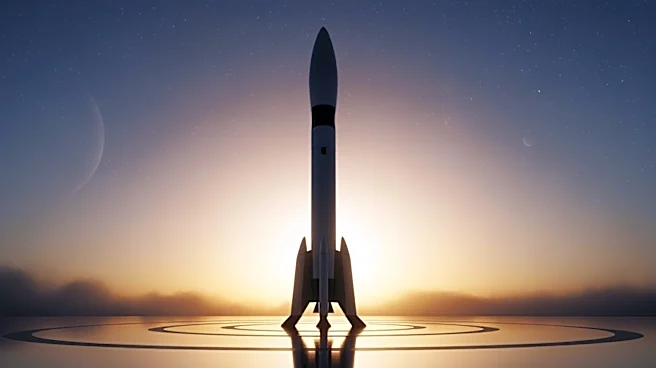
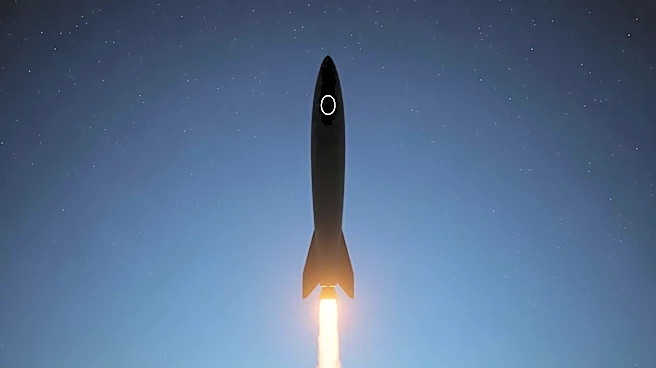
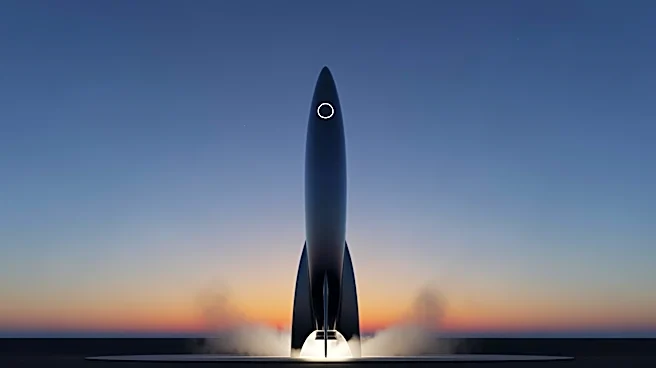
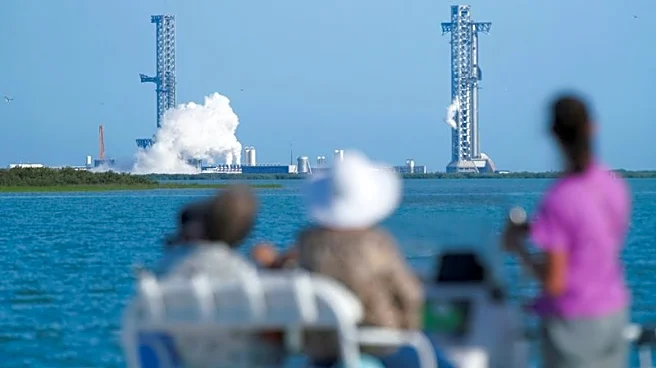
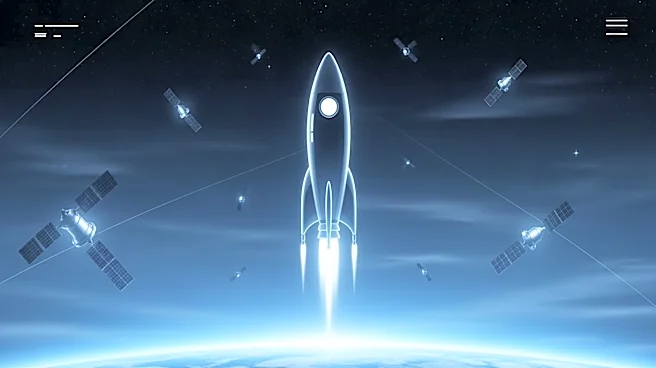
SpaceX recently completed Flight Test 12 of its reusable Starship Version 3 (V3) rocket from its launch site in South Texas, known as Starbase. This test included the successful deployment of 22 Starlink satellite dummies, one of which was equipped with
a camera to capture views of the rocket's heat shield from outside the Starship. The test is part of SpaceX's ongoing efforts to develop and refine its Starship technology, which is intended for a variety of missions, including satellite deployment and potentially crewed missions to Mars. The Starship V3 represents the latest iteration of SpaceX's ambitious rocket design, which aims to be fully reusable and capable of carrying large payloads into space.
Why It's Important?
The successful test of SpaceX's Starship V3 is a significant milestone in the company's broader mission to revolutionize space travel. By demonstrating the capability to deploy multiple satellites in a single launch, SpaceX continues to advance its Starlink project, which aims to provide global internet coverage. The reusable nature of the Starship V3 could drastically reduce the cost of space travel, making it more accessible and sustainable. This development is crucial for the U.S. space industry, as it enhances the country's competitive edge in the global space race and supports the growing demand for satellite-based services. Additionally, the success of such tests brings SpaceX closer to its goal of enabling human exploration of Mars, which could have profound implications for science and technology.
What's Next?
Following the successful completion of Flight Test 12, SpaceX is likely to continue refining the Starship design and conducting further tests to ensure its reliability and safety. The company may also focus on integrating more advanced technologies into the Starship to enhance its performance and capabilities. As SpaceX progresses with its Starlink project, additional launches are expected to expand the satellite constellation, improving internet coverage and connectivity worldwide. The outcomes of these tests will be closely monitored by industry stakeholders, including NASA and other space agencies, as they consider potential collaborations and partnerships for future space missions.