






What's Happening?
Researchers at the University of Pennsylvania have developed a chewing gum that may help reduce cancer-associated oral microbes, particularly in patients with head and neck squamous cell carcinoma (HNSCC). The gum, made with proteins from lablab beans,
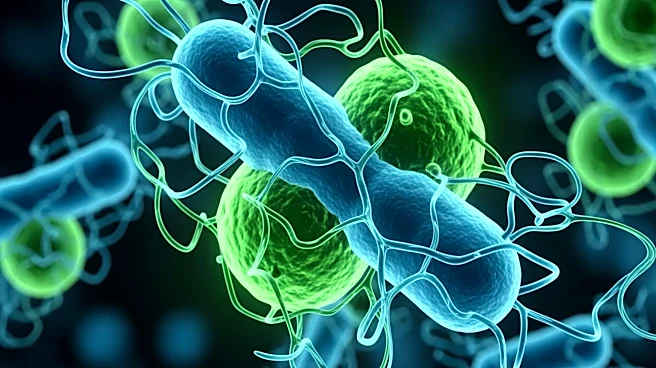
has shown potential in reducing levels of harmful microbes linked to worse cancer outcomes. The study, published in Scientific Reports, found that the gum significantly reduced levels of HPV and other harmful bacteria without affecting beneficial oral bacteria. Trials for this gum are set to begin in the U.S., following evaluations in London.
Why It's Important?
This development represents a novel approach to cancer treatment, focusing on reducing harmful microbes in the mouth, which could improve outcomes for patients with HNSCC. The gum offers a non-invasive, complementary therapy that could enhance existing cancer treatments. If successful, this innovation could lead to broader applications in cancer care, potentially improving survival rates and quality of life for patients.
What's Next?
The upcoming trials in the U.S. will be crucial in determining the efficacy and safety of the gum in a clinical setting. Positive results could lead to wider adoption and further research into similar treatments for other types of cancer. The study may also encourage the exploration of other natural compounds in cancer therapy, expanding the arsenal of tools available to oncologists.