






What's Happening?
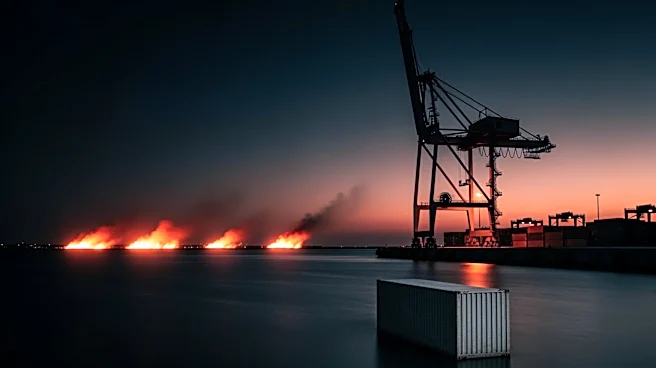
Recent reports from Semafor and PitchBook have highlighted the increasing scrutiny on private equity investments in energy infrastructure located in geopolitically unstable regions. The focus is on the risks associated with assets such as LNG tankers,
storage terminals, and pipeline infrastructure, particularly in the Gulf region, which is currently affected by the Iran war and disruptions around the Strait of Hormuz. These developments pose new risks for retirement systems invested in private equity-backed energy infrastructure. Notably, firms like IFM, Brookfield, BlackRock, and Stonepeak are involved in these investments. Jim Baker, Executive Director of the Private Equity Stakeholder Project (PESP), emphasized the growing difficulty for investors to ignore these risks, questioning whether firms have adequately communicated potential risks to their investors. Additionally, some of the largest U.S. public pension funds, including CalPERS and New York State Common, have exposure to these infrastructure funds.
Why It's Important?
The geopolitical risks associated with private equity investments in energy infrastructure have significant implications for U.S. pension funds and institutional investors. As these funds are exposed to energy strategies in conflict zones, there is a heightened risk of financial instability and potential losses. The situation underscores the need for transparency and due diligence by asset managers to protect investors' interests. The involvement of major pension funds like CalPERS and New York State Common highlights the potential impact on a large number of retirees who depend on these funds for their financial security. Furthermore, the geopolitical instability in the Gulf region could disrupt global energy supply chains, affecting energy prices and economic stability worldwide.
What's Next?
As geopolitical tensions continue to affect energy infrastructure investments, there is likely to be increased pressure on private equity firms to enhance transparency and risk management practices. Pension funds and institutional investors may demand more rigorous oversight and accountability from asset managers to ensure that their investments align with fiduciary duties. Additionally, there may be a push for diversification of investment portfolios to mitigate risks associated with geopolitical instability. The ongoing situation could also prompt regulatory bodies to implement stricter guidelines for investments in volatile regions, aiming to protect investors and maintain financial stability.