



What's Happening?
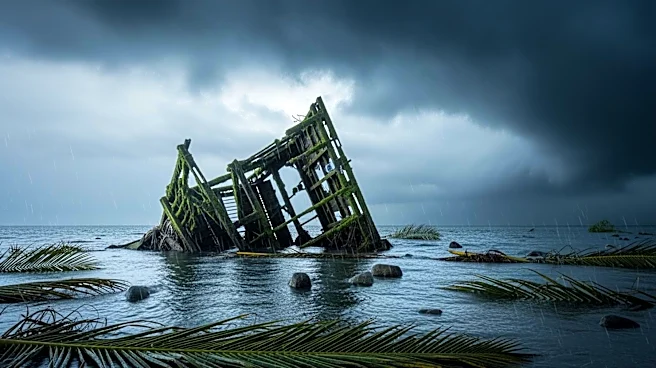
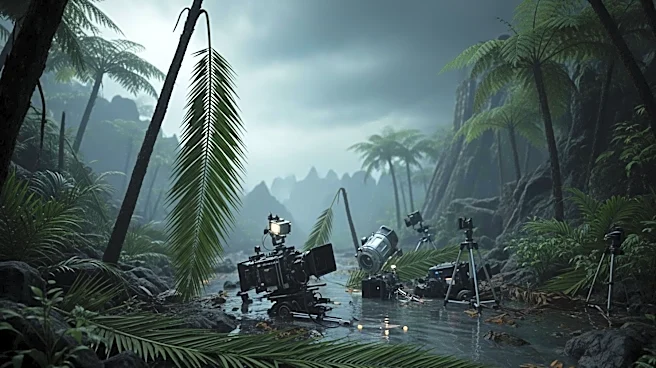
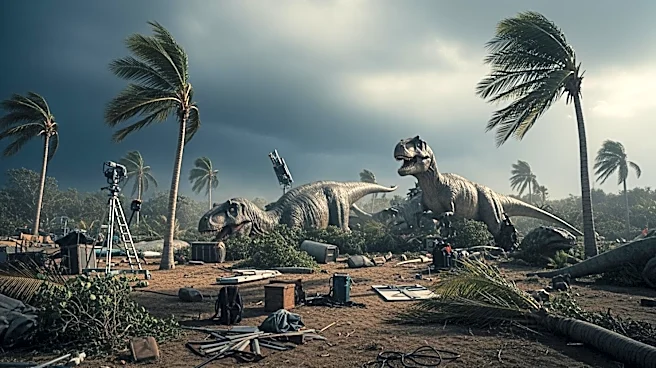
Hollywood actor Chris Pratt has revealed that a significant part of the 'Jurassic World' set in Hawaii was destroyed due to severe storms. The bungalow belonging to Pratt's character, Owen Grady, was damaged when a tree fell on it during the storms. This
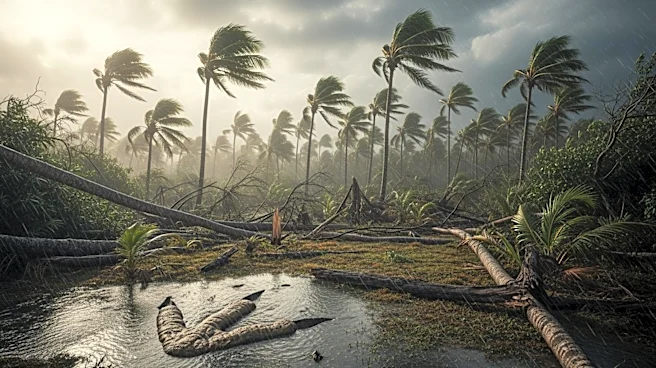
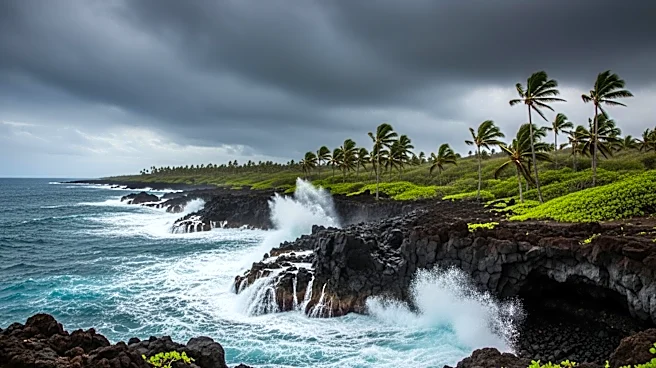
incident was part of a series of back-to-back storms that have hit Hawaii, causing widespread damage. Pratt shared this information during an interview with Entertainment Weekly, where he mentioned receiving a text from a friend living on the ranch where the set is located. The storms, known as Kona lows, have brought the worst flooding in Hawaii in 20 years, affecting many residents, including actor Jason Momoa, who had to evacuate with his family.
Why It's Important?
The destruction of the 'Jurassic World' set highlights the severe impact of natural disasters on the film industry, particularly in locations prone to extreme weather. This incident underscores the vulnerability of outdoor film sets to environmental conditions, which can lead to significant financial and logistical challenges for production companies. The storms in Hawaii have not only affected the film industry but also the local population, with widespread flooding and power outages. This situation draws attention to the broader implications of climate-related events on both the entertainment sector and community safety.
What's Next?
The immediate focus will likely be on assessing the damage and determining the next steps for the 'Jurassic World' production. This may involve relocating the set or adjusting the filming schedule to accommodate repairs. Additionally, there may be increased scrutiny on the planning and risk management strategies employed by film productions in weather-sensitive locations. For the local community, recovery efforts will be crucial, with potential government and non-profit involvement to support those affected by the storms.
Beyond the Headlines
This event may prompt a reevaluation of how film productions are insured against natural disasters, potentially leading to changes in policy coverage and premiums. It also raises questions about the sustainability and environmental impact of filming in ecologically sensitive areas. The increased frequency of severe weather events could influence future decisions on filming locations, with a possible shift towards more controlled environments or the use of digital effects to minimize risk.