






What's Happening?
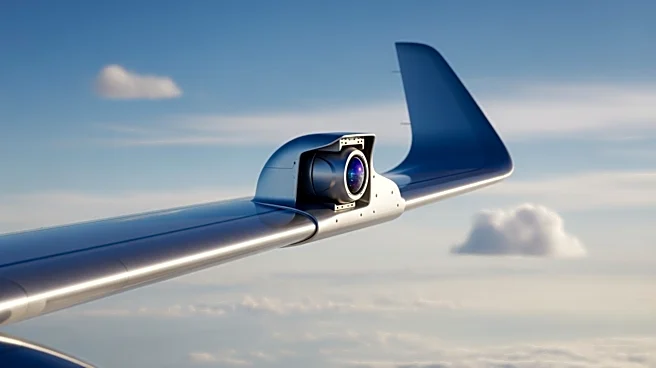
Boeing has completed the first phase of flight testing for the updated Remote Vision System (RVS) 2.0 on the KC-46 tanker. This system, which replaces the problematic RVS 1.0, has been tested on a modified aircraft to validate its optical performance
and hardware reliability. The RVS 2.0 allows refueling operators to guide the boom remotely using external cameras, an improvement over the older KC-135 system. Boeing's Defense, Space & Security CEO, Steve Parker, emphasized the system's maturity and reliability, noting that it will enhance the readiness of the U.S. Air Force's tanker fleet. The RVS 2.0 is part of a broader agreement with the USAF to improve KC-46 readiness, which includes repurposing early-build aircraft and a logistics plan for refueling subsystems.
Why It's Important?
The successful testing of the RVS 2.0 is crucial for Boeing and the USAF as it addresses previous challenges with the KC-46 tanker, which have cost Boeing over $8 billion. The new system is expected to enhance operational readiness and efficiency, providing the USAF with a more reliable refueling capability. This development is significant for U.S. defense capabilities, as it ensures that the tanker fleet can meet modern operational demands. The agreement between Boeing and the USAF reflects a commitment to improving military readiness and could influence future defense contracts and collaborations.
What's Next?
Boeing will proceed with the certification and eventual delivery of the RVS 2.0 system. The company is also working on implementing the other elements of the agreement with the USAF, including the modification of aircraft and logistics improvements. The successful deployment of the RVS 2.0 could lead to further orders and strengthen Boeing's position in the defense sector. The USAF's decision to purchase additional KC-46s will depend on the resolution of outstanding issues, and the performance of the RVS 2.0 will be a critical factor in this decision.