





What's Happening?
The integration of mobile apps into daily life has significantly transformed how people manage various tasks, from navigation to financial transactions. The shift began with services like Google Maps replacing printed directions and has expanded to include
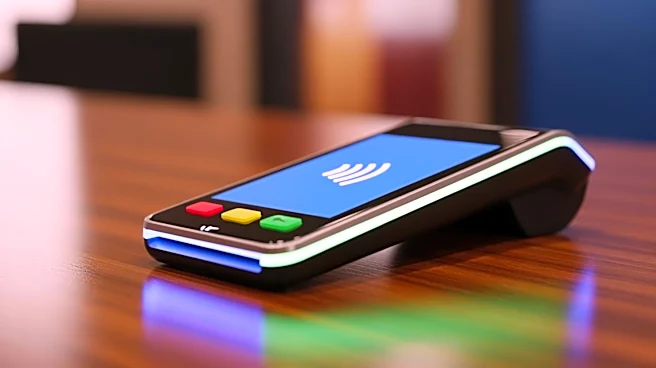
digital wallets such as Apple Pay and Google Pay, which have become commonplace for transactions. This transition has led to a reduction in the need for physical items like cash and paper tickets, as more services are now accessible through smartphones. The convenience of mobile apps is highlighted by their ability to handle tasks such as hotel check-ins, vehicle rentals, and rent payments, all without the need for physical interaction or paperwork.
Why It's Important?
The widespread adoption of mobile apps for everyday tasks underscores a significant shift towards digital solutions, impacting various sectors including travel, finance, and retail. This trend enhances convenience and efficiency, allowing users to perform multiple functions from a single device. However, it also raises concerns about dependency on technology and the risks associated with losing access to one's phone, which now holds critical personal and financial information. The shift to digital wallets and mobile payments reflects broader changes in consumer behavior and the economy, as businesses adapt to meet the demand for seamless, contactless services.
What's Next?
As mobile apps continue to evolve, further integration of biometric authentication and enhanced security measures are expected to address concerns about data privacy and security. The potential for new technologies to replace smartphones, such as biometric systems that allow for transactions without physical devices, is also on the horizon. This evolution will likely lead to further innovations in how people interact with technology and manage their daily lives, with businesses continuing to adapt to these changes by offering more digital and contactless solutions.