




What's Happening?
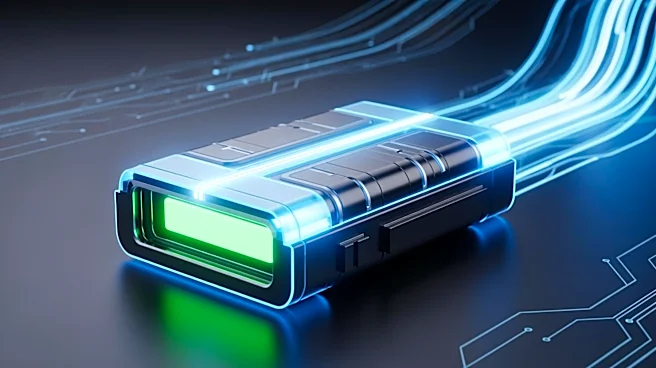
In the first quarter of 2026, over 1,710 solid-state battery patent applications were published globally, with China leading the charge, according to data from IP analysis firm KnowMade. Chinese companies such as FAW, CATL, and Gotion have significantly
increased their patent filings, with FAW alone recording an 800% increase compared to its 2025 quarterly average. This surge is largely driven by collaborations with Chinese institutions focusing on electrodes and electrolytes. Other notable increases include CATL with a 115% rise, COSMX with 300%, and GEM with 177%. The quarter also saw over 660 patent families receiving first-time grants, with Samsung, Honda, and CATL showing notable increases in granted patents. However, Toyota and LG Energy Solution experienced declines in new filings.
Why It's Important?
The surge in solid-state battery patent filings, particularly from China, underscores the country's leading role in the development of next-generation battery technologies. Solid-state batteries are considered crucial for the future of electric vehicles and renewable energy storage due to their potential for higher energy density and safety. China's dominance in this field could have significant implications for global technology leadership and economic competitiveness. For the U.S., this trend highlights the need to bolster its own research and development efforts in battery technology to remain competitive. The advancements in solid-state batteries could lead to more efficient and longer-lasting energy storage solutions, impacting various industries including automotive, consumer electronics, and renewable energy.
What's Next?
As China continues to lead in solid-state battery innovations, other countries and companies may increase their investments in research and development to catch up. The U.S. and European firms might seek collaborations or partnerships with Chinese companies to leverage their advancements. Additionally, the growing competition in the battery sector could drive further technological breakthroughs and cost reductions, making solid-state batteries more accessible and commercially viable. Policymakers and industry leaders will likely focus on strategies to enhance domestic capabilities and secure supply chains for critical battery materials.