




What's Happening?
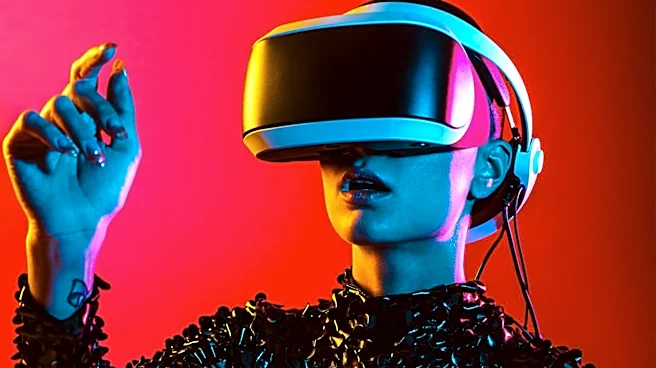
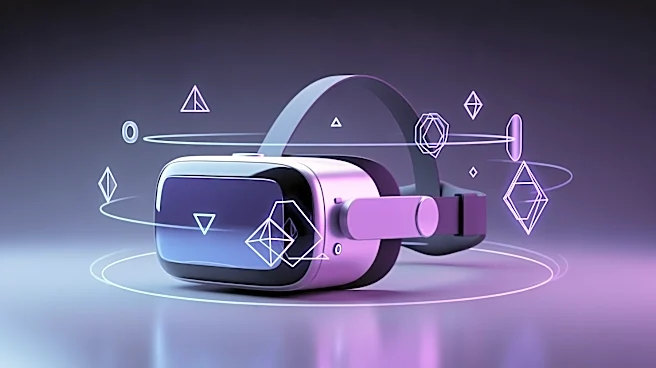
Lucent VR, a new virtual reality exploration experience, has been released on the Quest 3 platform. Developed and published by Specoolar, the experience is priced at $9.99 and offers users a visually stunning and artfully crafted environment to explore.
The experience includes seven different scenes, such as an island, grassland, snowy vista, and an underwater area, each designed to provide a unique and immersive experience. The game is noted for its exceptional graphics and interactive elements, such as water physics that react to touch and environmental sounds that enhance the immersive experience. Lucent VR is not a traditional game but rather a relaxation and exploration experience, allowing users to interact with their surroundings and discover hidden artifacts to unlock new scenes.
Why It's Important?
The release of Lucent VR on Quest 3 highlights the growing trend of virtual reality experiences that focus on relaxation and exploration rather than traditional gaming. This shift reflects a broader interest in using VR technology for purposes beyond gaming, such as meditation, education, and virtual tourism. The high-quality graphics and interactive elements of Lucent VR demonstrate the potential of VR technology to create immersive environments that can transport users to different worlds. This development is significant for the VR industry as it expands the scope of VR applications and attracts a wider audience, including those interested in art and relaxation. The success of such experiences could drive further innovation and investment in the VR sector.
What's Next?
As Lucent VR gains traction among users, it may inspire other developers to create similar experiences that prioritize visual and auditory immersion. The success of Lucent VR could lead to more investment in VR technology and content, potentially resulting in a wider variety of experiences available on platforms like Quest 3. Additionally, as VR technology continues to advance, future updates or expansions to Lucent VR could introduce new scenes or interactive elements, enhancing the user experience. The growing popularity of VR exploration experiences may also encourage hardware manufacturers to develop more advanced VR headsets to support these visually demanding applications.