







What's Happening?
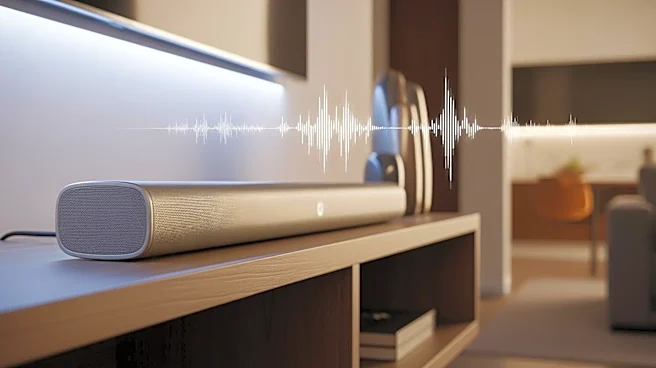
Modern televisions, while offering exceptional picture quality, often fall short in audio performance due to the thin design of the displays, which limits speaker size and placement. This has led to common consumer complaints about difficulty in hearing
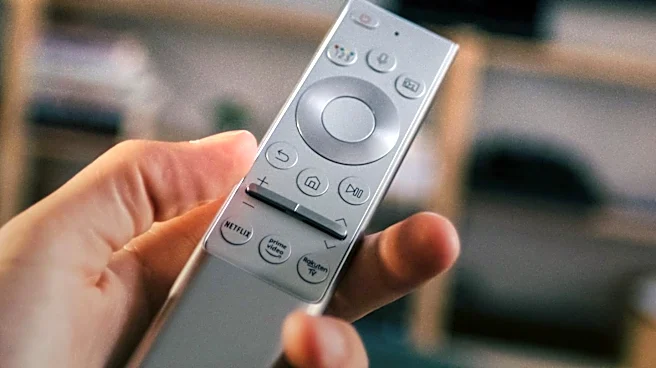
dialogue and poor sound quality during action sequences. To address these issues, TV manufacturers have incorporated various audio processing features into their products. These include sound modes that adjust frequencies for different content types, dialogue enhancers that boost voice frequencies, and equalizer settings that allow users to modify bass and treble levels. Additionally, some TVs offer automatic volume control to balance loud and quiet sounds, preventing sudden volume spikes during movies or commercials. These settings are designed to improve the audio experience without the need for additional equipment.
Why It's Important?
The emphasis on improving TV audio quality is significant for consumers who seek a better home entertainment experience without investing in external audio equipment. As TVs become central to home entertainment, the ability to enhance sound quality through built-in settings can lead to greater consumer satisfaction and potentially reduce the need for additional purchases like soundbars or speaker systems. This development also reflects a broader trend in the electronics industry to maximize the functionality of existing products through software and settings adjustments, offering value to consumers without increasing costs. For manufacturers, addressing audio quality issues can enhance brand reputation and customer loyalty.
What's Next?
As consumers become more aware of these audio settings, manufacturers may continue to refine and expand these features to further enhance the user experience. Future developments could include more advanced audio processing technologies or partnerships with audio companies to integrate superior sound systems into TVs. Additionally, consumer feedback on these features could drive further innovation and customization options, allowing users to tailor their audio experience more precisely to their preferences. The industry may also see an increase in educational content to help users optimize their TV settings for the best audio performance.