




What's Happening?
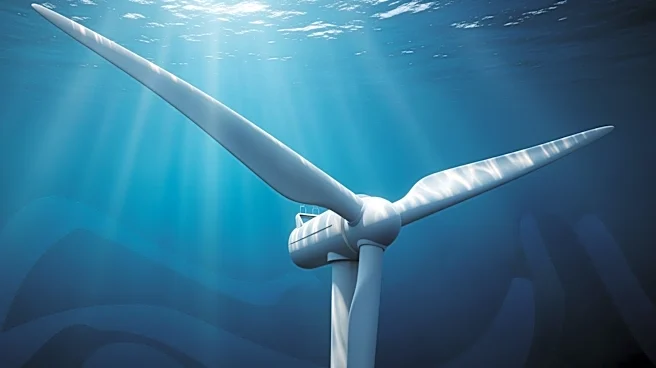
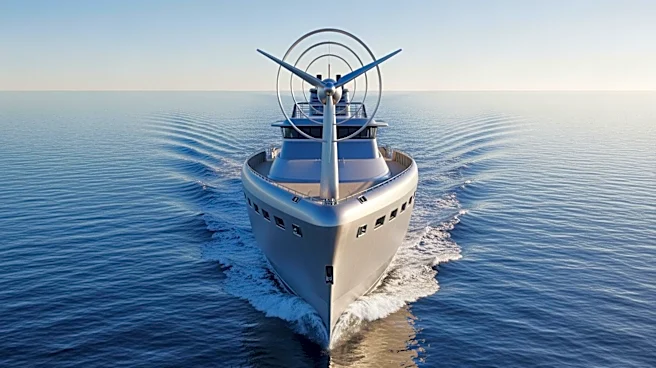
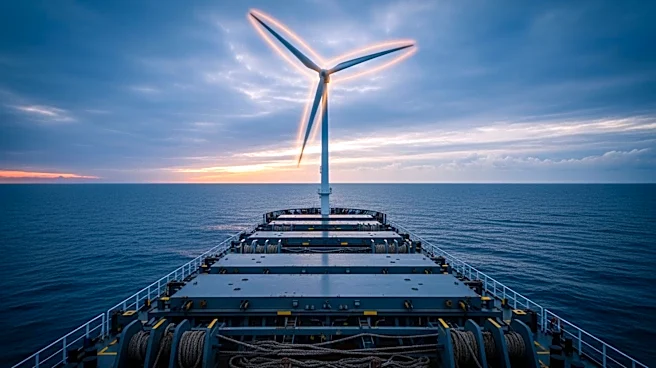
BAR Technologies has highlighted challenges in the maritime industry regarding the adoption of wind-assist technology. Despite the environmental and fuel-saving benefits of wind-assist systems, their uptake is slow due to the lack of standardized charter
party agreements. Currently, around 100 vessels use wind-assist systems, with numbers expected to double. However, shipowners are hesitant to invest in these technologies as the financial benefits often accrue to charterers. BIMCO is developing an Energy Saving Device Retrofit Addendum to support equitable agreements, while equipment manufacturers like Econowind continue to innovate with new products.
Why It's Important?
The slow adoption of wind-assist technology in shipping highlights a significant barrier to reducing emissions in the maritime sector. As regulations tighten and fuel costs remain volatile, the industry faces pressure to improve emissions performance. Equitable charter agreements could incentivize shipowners to invest in sustainable technologies, aligning financial and environmental interests. This development is crucial for achieving emissions reduction targets and enhancing the industry's sustainability.
What's Next?
The maritime industry may see increased collaboration between stakeholders to develop standardized agreements that fairly distribute the benefits of wind-assist technology. As BIMCO works on its addendum, shipowners and charterers might negotiate new terms that encourage investment in sustainable solutions. The ongoing innovation by equipment manufacturers could also drive further adoption, potentially leading to significant emissions reductions in the sector.