






What's Happening?
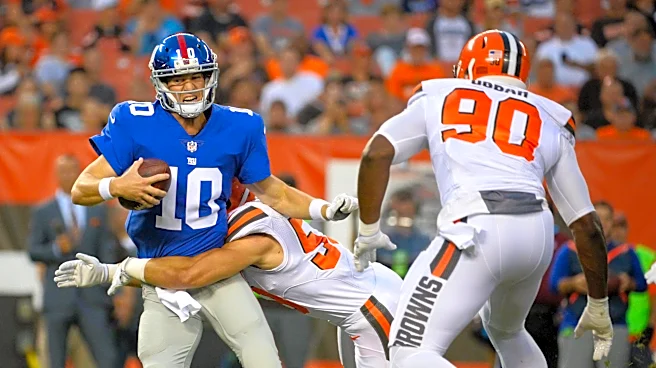
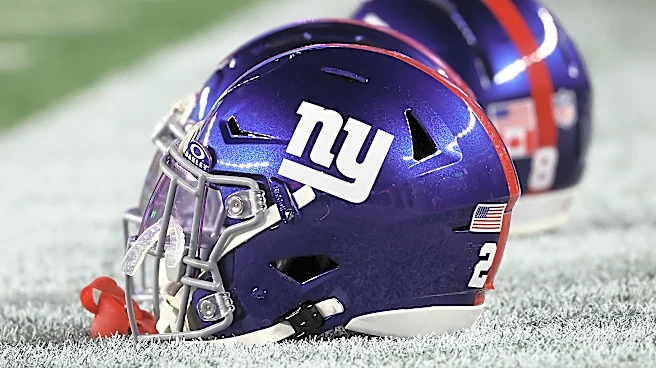
Eli Manning, during the 2004 NFL Draft, made a significant decision to refuse to play for the San Diego Chargers, opting instead for a trade to the New York Giants. Contrary to popular belief, Manning's father, Archie Manning, did not influence this decision.
Eli Manning clarified on the 'Bussin' With The Boys' podcast that his father was initially against the idea but later supported him publicly. Manning's decision was based on his perception of the Chargers' lack of commitment to winning, citing friction between the team's coach, Marty Schottenheimer, and the front office. Despite the Chargers' plan to trade him to the Cleveland Browns, Manning was firm in his decision, leading to a trade to the Giants. This trade involved a package that included quarterback Philip Rivers. Manning's career with the Giants was marked by two Super Bowl victories, while Rivers became a record-setting quarterback for the Chargers.
Why It's Important?
Eli Manning's decision to avoid playing for the Chargers and instead join the Giants had a profound impact on both franchises. For the Giants, Manning's leadership and performance were instrumental in securing two Super Bowl titles, enhancing the team's legacy and fan base. His career achievements with the Giants, including over 57,000 passing yards and 366 touchdowns, underscore his importance to the team. On the other hand, the Chargers, while benefiting from Philip Rivers' record-setting career, missed out on potential Super Bowl victories. This decision highlights the influence of player agency in the NFL and how individual choices can shape the trajectory of entire franchises. It also underscores the importance of organizational stability and commitment to winning in attracting and retaining top talent.
What's Next?
The long-term effects of Manning's decision continue to be felt in the NFL. As both Manning and Rivers have retired, their careers are often compared, with discussions focusing on the impact of their respective teams' management and support structures. The Giants' success with Manning may influence future draft decisions and player negotiations, emphasizing the need for teams to present a strong commitment to winning. For the Chargers, the focus may shift to building a team environment that attracts and retains top talent, learning from past experiences. The legacy of this trade will likely continue to be a point of analysis for sports historians and analysts, influencing how future player-team negotiations are approached.